
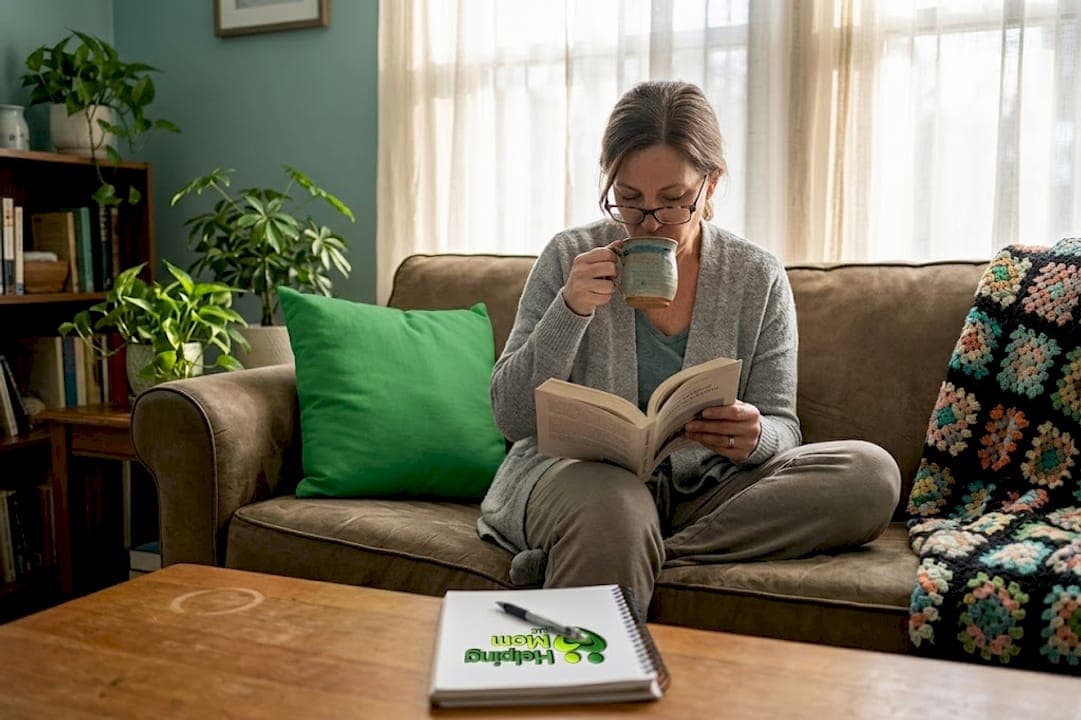
Caring for an aging parent is one of the most meaningful things you can do, and also one of the most exhausting. You manage medications, appointments, household needs, and emotional support, often while holding down a job and raising your own family. It adds up fast. Research shows that 40 to 70% of caregivers experience symptoms of depression, a number that reflects just how much caregivers give without replenishing themselves. This article walks you through practical, evidence-based self-care strategies that fit real life, not an idealized version of it.
Table of Contents
- Recognizing the signs of caregiver burnout
- Building a foundation: Sleep, nutrition, and movement habits
- Mental health and emotional support strategies
- Toolbox of practical self-care actions for overwhelmed caregivers
- Why most caregiver self-care advice falls short—and what actually works
- Get more guidance and support for your caregiving journey
- Frequently asked questions
Key Takeaways
| Point | Details |
|---|---|
| Watch for burnout | Recognize early signs to prevent caregiver exhaustion and depression. |
| Prioritize basics | Focus on sleep, movement, and balanced meals to maintain energy and mood. |
| Seek emotional support | Building a support system or joining a group greatly reduces feelings of isolation. |
| Adapt small actions | Simple, flexible self-care routines fit any schedule—even on busy days. |
Recognizing the signs of caregiver burnout
Having a clear picture of where you stand is the first step. Burnout does not usually arrive all at once. It creeps in gradually, and many caregivers dismiss the early warning signs as just being tired or stressed. But recognizing those signs early gives you the chance to course-correct before things get harder.
The physical and emotional signals are often intertwined. You might notice that you are sleeping more but still feeling exhausted. Or you find yourself snapping at your parent over something small, then feeling guilty afterward. These are not character flaws. They are signals from your body and mind asking for attention.
Common warning signs of caregiver burnout include:
- Persistent physical exhaustion, even after rest
- Mood swings or increased irritability, especially toward the person you are caring for
- Withdrawing from friends, hobbies, or activities you used to enjoy
- Neglecting your own medical appointments or basic needs
- Feeling resentful, hopeless, or emotionally numb
- Difficulty concentrating or making decisions
- Increased use of alcohol, food, or other coping mechanisms
"You cannot pour from an empty cup. Recognizing burnout is not a sign of weakness. It is a sign that you are paying attention."
Adult children in the sandwich generation, those caring for aging parents while still supporting their own children or careers, face high burnout risk at a disproportionate rate. Understanding caregiver stress management starts with honest self-assessment. If you check off more than two or three of the signs above, it is time to take your own well-being seriously.
The good news is that addressing burnout is not about doing more. It is about doing things differently. Small, consistent actions add up. And the caregiver well-being tips that tend to work best are the ones that fit naturally into your existing routine rather than requiring a complete lifestyle overhaul.
Building a foundation: Sleep, nutrition, and movement habits
Once you can spot burnout warning signs, a solid well-being foundation helps protect your energy and mood long-term. Think of sleep, nutrition, and movement as the three legs of a stool. When one is missing or weak, everything becomes less stable.
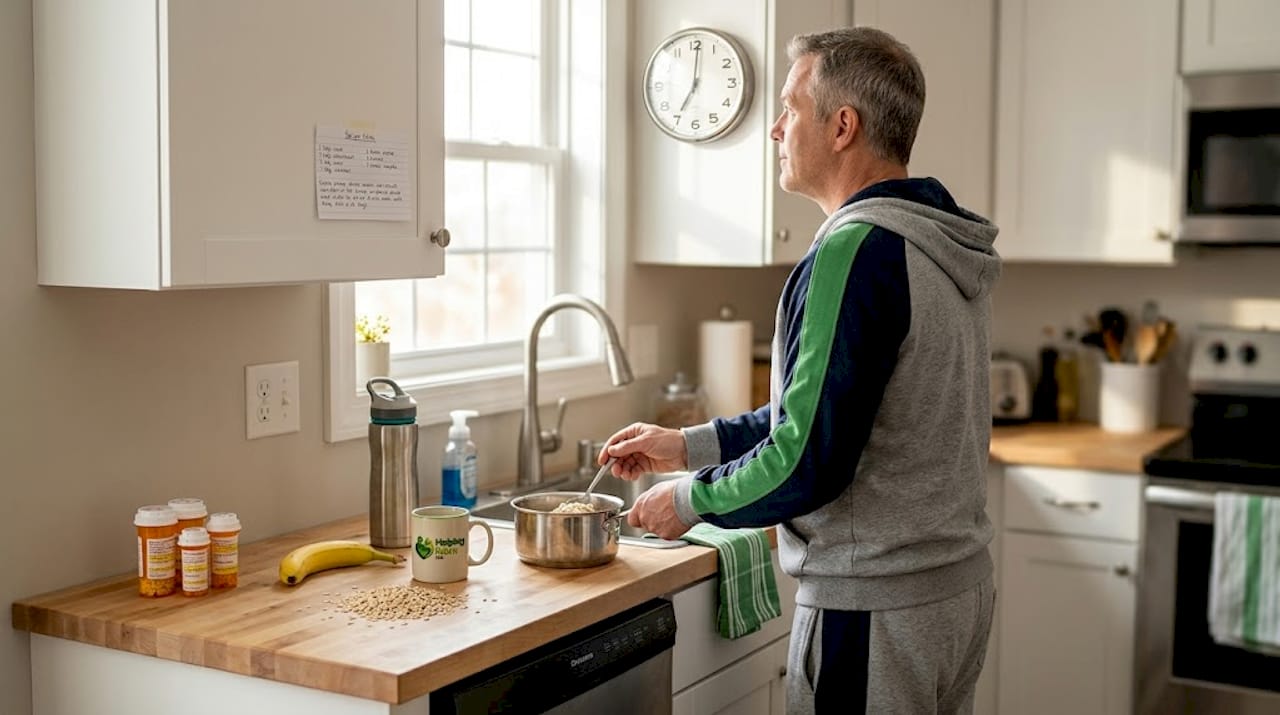
Sleep: The non-negotiable baseline
Sleep deprivation affects your mood, judgment, immune system, and ability to handle stress. Yet caregivers routinely sacrifice sleep to manage nighttime needs or simply to have quiet time to themselves. Experts recommend aiming for 7 or more hours of sleep each night. That may sound impossible on some nights, but even improving your average by 30 to 45 minutes can make a noticeable difference.
Practical steps to protect your sleep:
- Set a consistent bedtime, even on weekends
- Avoid screens for at least 30 minutes before bed
- Use a white noise machine if nighttime interruptions are common
- Ask a family member or respite caregiver to cover one night per week so you can sleep uninterrupted
- Treat your bedroom as a rest-only space when possible
Nutrition: Fueling yourself like you matter
When you are busy, meals become an afterthought. You grab whatever is fast and easy, often skipping breakfast or eating standing over the kitchen counter. Over time, poor nutrition compounds fatigue and makes emotional regulation harder. Batch cooking on weekends, keeping healthy snacks visible, and drinking water consistently throughout the day are small changes with real impact.
Movement: Short bursts count
You do not need a gym membership or a 60-minute workout to benefit from physical activity. Research supports 30 to 60 minutes of daily activity, but that time can be broken into smaller pieces. A 10-minute walk after breakfast, a few stretches at lunch, and a short evening stroll all add up. Movement reduces cortisol, the stress hormone, and improves sleep quality.
Pro Tip: Pair movement with something you already do. Walk while you take a phone call, stretch while waiting for coffee to brew, or do a short walk to and from your car instead of parking close. These tips to manage caregiver stress through physical activity do not require extra time, just intentional choices.
| Self-care habit | Recommended target | Realistic starting point |
|---|---|---|
| Sleep | 7 or more hours per night | Add 30 minutes to current routine |
| Hydration | 8 cups of water daily | Keep a water bottle visible |
| Physical activity | 30 to 60 minutes daily | Three 10-minute walks |
| Nutritious meals | Three balanced meals | Prep one batch meal per week |
| Medical checkups | Annual at minimum | Schedule one appointment this month |
Mental health and emotional support strategies
A healthy body builds resilience, but mental health and emotional resources are equally important for sustainable caregiving. Physical self-care is the foundation, but it is not the whole picture. What happens in your mind and heart matters just as much.
One of the most important things you can do is resist the urge to go it alone. Many caregivers feel that asking for help is a burden on others, or that they should be able to handle everything themselves. But support groups reduce isolation and depression in measurable ways. Connecting with others who understand your experience, even briefly, can shift your perspective and remind you that you are not alone.
Research on coping styles reveals something important. Passive coping increases depression in caregivers, while active, engaged coping strategies tend to improve outcomes. Passive coping looks like hoping things will get better on their own, avoiding difficult conversations, or numbing out with excessive TV or scrolling. Active coping looks like naming what you are feeling, reaching out for support, setting small goals, and taking deliberate action even when it is uncomfortable.
Emotional support strategies that actually help:
- Join a caregiver support group, either in person or online. Hearing others share similar experiences reduces shame and isolation.
- Talk to a counselor or therapist, even for a short series of sessions. You do not need to be in crisis to benefit from professional support.
- Practice naming your emotions without judgment. Saying "I am feeling resentful today" is more useful than suppressing it.
- Set one small, achievable goal each week that is just for you, not for your parent or your household.
- Limit news and social media during high-stress periods. Information overload adds to emotional fatigue.
Pro Tip: If you are not ready for a formal support group, start smaller. Texting one friend who listens well, or reading a caregiving forum online, can provide a sense of connection without requiring much energy. Explore emotional support resources designed specifically for family caregivers, or look into online caregiver support communities where you can connect at your own pace.
Toolbox of practical self-care actions for overwhelmed caregivers
With an understanding of why self-care matters, here are practical routines that can be tailored to fit even your busiest days. The goal is not a perfect routine. It is a flexible set of options you can reach for when you need them.
Think of your day in three windows: morning, mid-day, and evening. Each window offers different opportunities depending on your energy and schedule.
| Time of day | Ideal self-care action | Quick version (under 5 minutes) |
|---|---|---|
| Morning | Stretch, hydrate, set one intention for the day | Drink a full glass of water before checking your phone |
| Mid-day | Short walk, sunlight exposure, connect with a friend | Step outside for 2 minutes, take three slow breaths |
| Evening | Unwind ritual, limit screens, reflect on one good moment | Write down one thing that went okay today |
As sandwich generation caregivers know well, no two days look the same. Some mornings you are managing a fall or a medication question before you have had coffee. That is why having a range of options matters more than committing to a single rigid routine.
Additional self-care actions worth keeping in your toolbox:
- Journaling for 5 minutes to process emotions without needing a response from anyone
- Listening to music or a podcast you enjoy during caregiving tasks that do not require full attention
- Saying no to one non-essential obligation this week to protect your energy
- Scheduling a respite break, even a few hours, so you can step away without guilt
- Celebrating small wins, like a good conversation with your parent or a day where things ran smoothly
You do not need to do all of these. Pick one or two that feel doable right now. Over time, you can build on them. Explore flexible self-care routines that other caregivers have found useful and adapt them to your own situation.
Why most caregiver self-care advice falls short—and what actually works
Here is something worth saying plainly: most self-care advice for caregivers was not written by people in the thick of it. The lists are tidy and the suggestions are reasonable, but they often assume you have 30 free minutes in the morning, a supportive partner at home, and the mental bandwidth to plan a wellness routine. Most caregivers do not have any of those things consistently.
The conventional wisdom tends to focus on what you should be doing, which adds another layer of pressure to an already heavy load. You are already managing so much. Being handed a checklist of self-care tasks can feel like one more thing to fail at.
What actually works, based on what caregivers report and what research supports, is much simpler and less glamorous. It is the two-minute breathing exercise you do in the car before walking back into the house. It is texting your sibling to say "I need you to take over Saturday morning" instead of silently absorbing everything. It is giving yourself permission to order dinner instead of cooking, without calling it a failure.
Micro self-care actions, small, intentional moments of restoration, often do more for caregivers than the ideal routines they never quite manage to start. The key is consistency over intensity. A two-minute walk outside every day beats a 60-minute gym session you do once a month.
Letting go of perfection is not a consolation prize. It is actually the strategy. When you stop waiting for the conditions to be right and start working with what you have, you build something more durable than any wellness plan. You build a habit of returning to yourself, even briefly, even imperfectly.
Community matters more than most people admit. Isolation is one of the biggest risk factors for caregiver burnout, and yet the instinct when you are overwhelmed is often to pull back from others. Reaching out, even awkwardly, even when you are not sure what to say, is one of the most protective things you can do. Explore comprehensive caregiving guides that address the full picture of what caregivers face, not just the surface-level tips.
Get more guidance and support for your caregiving journey
You do not have to figure all of this out on your own. Helping Mom offers practical, calm guidance for adult children who are navigating the real, day-to-day challenges of caring for an aging parent. Whether you are looking for ways to make your parent's home safer, manage your own stress, or simply understand what comes next, there are resources here built specifically for you.
Start with the aging in place safety guide to address your parent's home environment, or explore the caregiver emotional support section for tools that help you stay grounded. If you want something concrete and actionable today, the elderly home safety checklist is a good place to start. These resources are designed to reduce overwhelm, not add to it, and they are here whenever you are ready.
Frequently asked questions
How much sleep do caregivers really need?
Experts recommend at least 7 hours of sleep each night to support physical health, emotional regulation, and stress resilience. Even small improvements in sleep duration can make a meaningful difference in how you feel day to day.
Are caregiver support groups actually helpful?
Yes. Research shows that support groups reduce isolation and depression in family caregivers, partly because connecting with others who share your experience normalizes what you are going through and provides practical perspective.
What is passive coping, and why is it risky?
Passive coping means waiting and hoping things improve without taking deliberate action, and studies show it increases depression risk in caregivers. Active coping, like seeking support, naming emotions, and setting small goals, tends to produce better outcomes over time.
How can I fit self-care into an unpredictable caregiving routine?
Focus on micro-actions rather than lengthy routines. Stepping outside for two minutes, drinking a glass of water intentionally, or taking three slow breaths before a difficult task are all legitimate forms of self-care that require almost no time and can be done on even the hardest days.