
When most people hear “home care,” they picture nurses, medications, and medical equipment. That’s a common assumption, and it leads many families to delay getting help until a health crisis forces the issue. But a great deal of the support aging parents need every day has nothing to do with medicine at all. Non-medical home care covers the practical, human side of daily life: getting dressed, preparing meals, staying connected, and keeping a home running safely. This guide explains exactly what non-medical home care is, how it differs from skilled medical care, and how your family can use it to help your parent stay independent and comfortable at home.
Table of Contents
Key Takeaways
| Point | Details |
|---|---|
| Essential daily support | Non-medical home care covers everyday living needs that help aging parents remain independent and safe. |
| Not the same as medical care | Non-medical support focuses on tasks and companionship, while home health care is clinical and skilled. |
| Assessment guides action | Evaluating your parent’s needs and creating a clear care plan delivers practical, tailored support. |
| Holistic family benefit | Using non-medical care eases stress for families and supports parents’ well-being beyond just health. |
What is non-medical home care?
Non-medical home care is a category of support that often gets overshadowed by conversations about doctors, prescriptions, and hospital visits. Yet for many aging adults, it’s the type of help that makes the biggest difference day to day.
At its core, non-medical home care is supportive care delivered in a person’s home that focuses on daily living and practical needs rather than clinical or skilled medical treatment. Think of it as the layer of support that keeps life running smoothly, not the layer that manages a diagnosis.
Here are some of the most common examples of what non-medical home care looks like in practice:
-
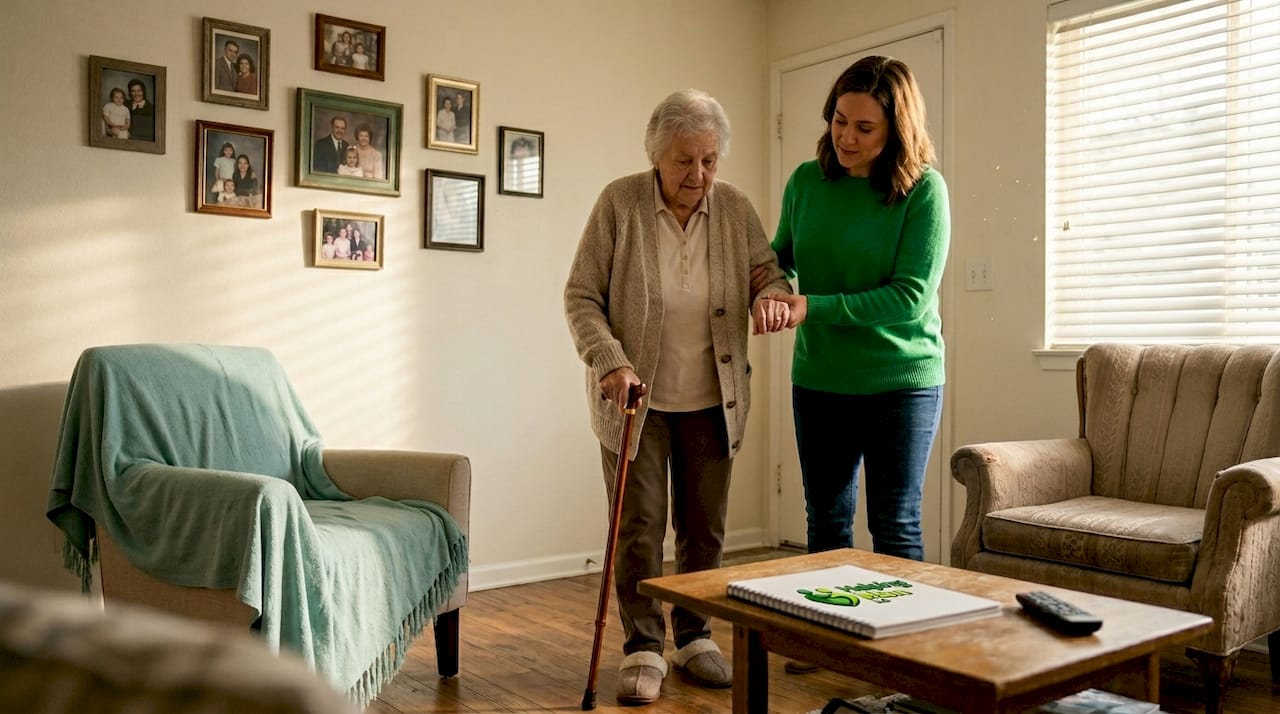
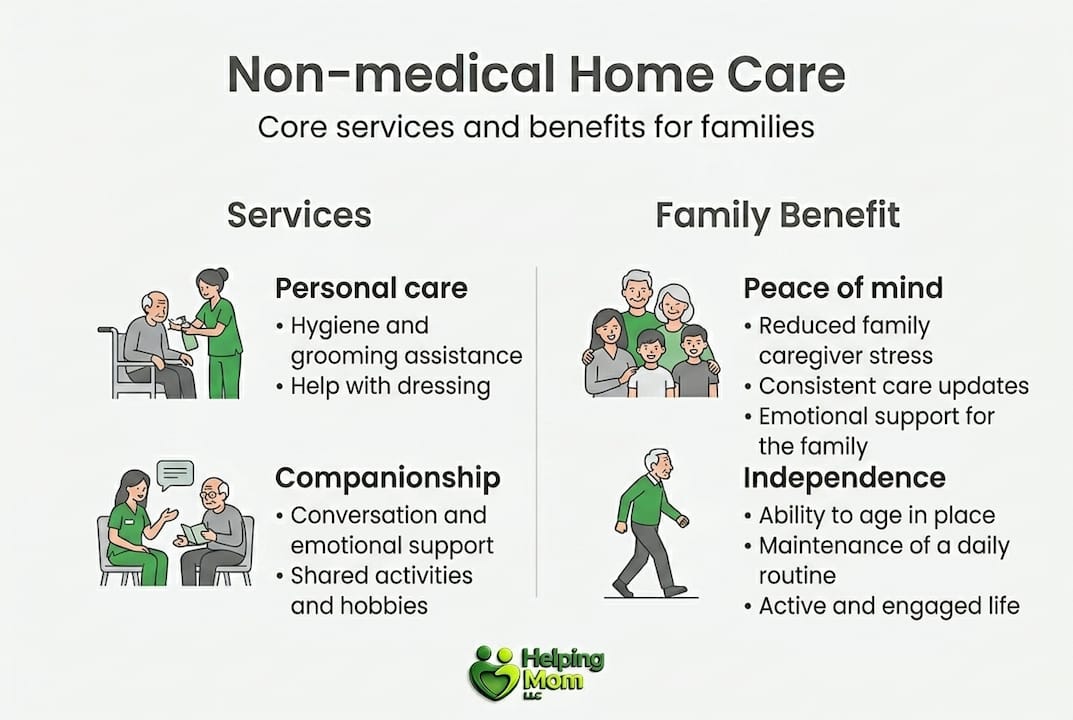
Personal care: Help with bathing, grooming, dressing, and toileting
-
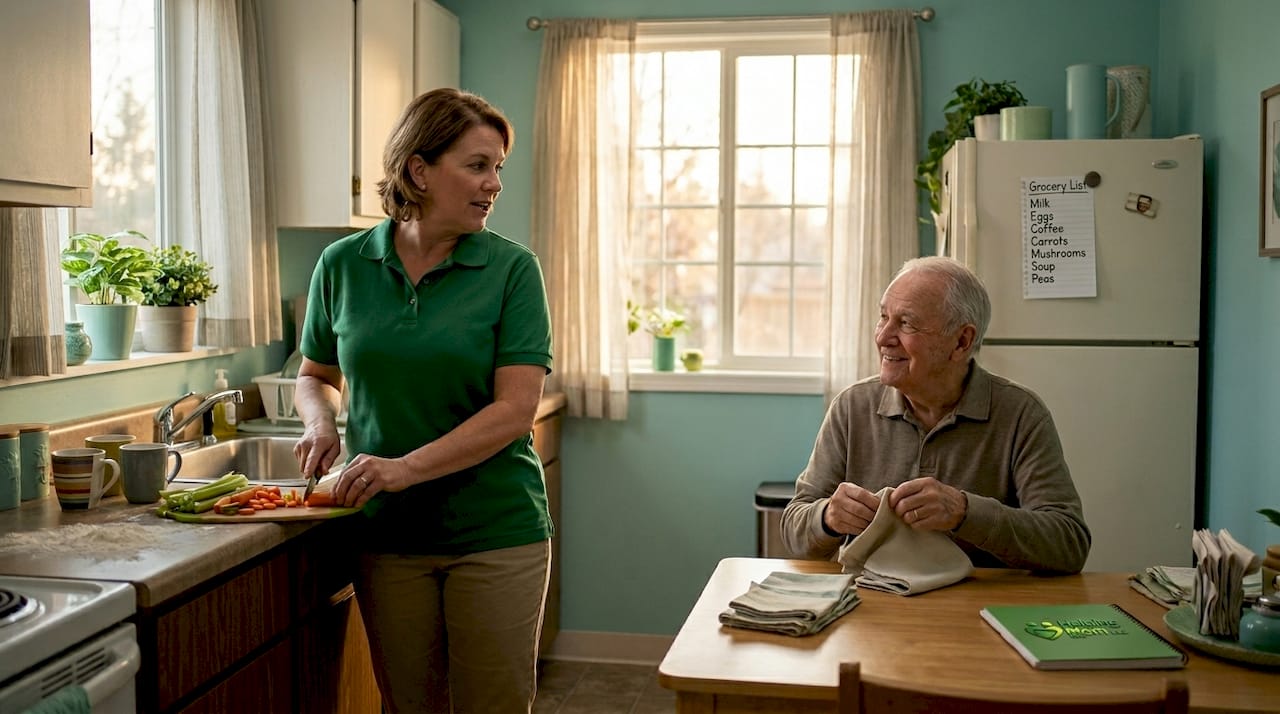
Meal preparation: Planning and cooking nutritious meals, accommodating dietary preferences
-
Light housekeeping: Laundry, vacuuming, dishes, and tidying common areas
-
Companionship: Conversation, shared activities, and emotional presence
-
Transportation: Rides to appointments, errands, or social outings
-
Medication reminders: Prompting your parent to take their medications on time (not administering them)
-
Safety monitoring: Checking in on routines, identifying hazards, and keeping an eye on changes in behavior
Notice that none of these involve clinical procedures, wound care, injections, or therapy. That’s the key distinction. Home health care, by contrast, is delivered by licensed nurses, physical therapists, or other medical professionals and is tied to treating a specific health condition.
Non-medical home care is sometimes referred to as “human services” within the broader framework of Home and Community-Based Services, or HCBS. This framework recognizes that people need both medical and non-medical support to live well at home. The non-medical side is just as essential, even if it’s less visible.
“Aging in place” isn’t just about having a safe home. It’s about having the right daily support so your parent can continue living on their own terms.
If you’re already thinking about home safety as part of this picture, our guide on making home safer for elderly parent walks through practical steps you can take right now. And for a broader look at what aging in place really involves, our aging in place home safety resource is a helpful starting point.
Core services and value for families
With the basics defined, let’s explore what non-medical home care providers actually do for your aging parent, and why these services matter so much for the whole family.
Non-medical home care services are typically organized around two categories: Activities of Daily Living (ADLs) and Instrumental Activities of Daily Living (IADLs). These are clinical terms, but the ideas behind them are straightforward.
ADLs are the basic self-care tasks your parent needs to do every day:
-
Bathing and personal hygiene
-
Dressing and undressing
-
Eating and feeding
-
Moving around the home (mobility)
-
Toileting
IADLs are slightly more complex tasks that support independent living:
-
Grocery shopping and errands
-
Cooking and meal planning
-
Managing medications (reminders, not administration)
-
Light housekeeping and laundry
-
Transportation to appointments or social activities
-
Managing finances and correspondence
When a caregiver helps with these tasks, it frees your parent to focus on what they enjoy, rather than struggling with what has become difficult. It also reduces the risk of accidents, malnutrition, social isolation, and the kind of gradual decline that often goes unnoticed until it becomes a crisis.
Here’s a quick overview of how specific services connect to real family benefits:
| Service | What it addresses | Family benefit |
|---|---|---|
| Personal care (bathing, dressing) | Hygiene, dignity, fall risk | Reduces daily burden on family |
| Meal preparation | Nutrition, energy, independence | Ensures consistent, healthy eating |
| Companionship | Loneliness, mental health | Reduces isolation without family visits |
| Transportation | Access to care, social connection | Maintains independence and routine |
| Homemaking | Safety, cleanliness, organization | Prevents hazards and supports comfort |
| Medication reminders | Adherence to prescribed routines | Supports health without clinical oversight |
Non-medical home care is part of the broader HCBS model, which can include both health services and human services delivered in the home and community. That means non-medical care can work alongside medical care when both are needed, filling in the gaps that clinical visits simply can’t cover.
Pro Tip: Before hiring a non-medical home care provider, use an aging in place checklist to identify which specific tasks your parent needs help with. This makes conversations with providers much more focused and productive.
One thing families often underestimate is the emotional value of consistent companionship. Research consistently shows that social isolation is a serious risk factor for cognitive decline and depression in older adults. A caregiver who shows up regularly, engages your parent in conversation, and participates in shared activities provides something that no medication can replace. Our complete caregiving guides include more detail on how to support your parent’s emotional well-being alongside their physical needs.
Comparing non-medical home care and home health care
Understanding service types is useful, but it helps to see how non-medical care differs from skilled home health. Many families use these terms interchangeably, and that confusion can lead to getting the wrong type of support, or feeling frustrated when one type doesn’t cover what the other provides.
Here’s a clear side-by-side comparison:
| Feature | Non-medical home care | Home health care |
|---|---|---|
| Provided by | Home care aides, companions | Nurses, therapists, medical professionals |
| Focus | Daily living, routines, safety | Disease management, recovery, clinical treatment |
| Requires a prescription? | No | Usually yes (ordered by a physician) |
| Covered by Medicare? | Generally no | Yes, under qualifying conditions |
| Examples | Bathing, meal prep, companionship | Wound care, IV therapy, physical therapy |
| Duration | Ongoing, as needed | Time-limited, tied to a health condition |
The distinction matters practically. If your parent has just been discharged from the hospital after a hip replacement, they may qualify for skilled home health care to support their recovery. But once that clinical window closes, the daily help they still need, getting dressed, preparing meals, staying safe at home, falls squarely into non-medical territory.
Knowing when to use each type of care helps you avoid gaps. Here’s a simple framework:
-
Use non-medical home care when your parent needs consistent daily support with personal care, household tasks, or companionship, and there is no active medical treatment requiring a licensed clinician.
-
Use home health care when your parent is recovering from a procedure, managing a complex medical condition, or needs skilled clinical services like wound care or occupational therapy.
-
Use both together when your parent has ongoing health needs and daily living challenges. Many families find that combining both types creates the most stable and supportive environment.
Non-medical home care can be thought of as the “human services” layer that supports aging in place: everyday functioning, routines, safety, and companionship, often delivered alongside, but not replacing, skilled medical home health when that level is needed.
This layered approach is worth keeping in mind. Your parent’s needs are not static. They will shift over time, and the right combination of support will shift with them. Our guide on supporting aging parents at home offers a broader look at how to navigate these changing needs with confidence and calm.
How to assess your parent’s needs and create a care plan
Once you know the difference, the next step is to figure out exactly what support your parent needs and how to provide it. This is where many families feel stuck. The needs can feel vague or hard to pin down, especially when your parent is reluctant to ask for help.
A structured approach makes this much easier. Here’s a step-by-step process you can follow:
-
Observe before you assess. Spend time in your parent’s home and pay attention to what you notice. Is the refrigerator stocked? Are dishes piling up? Does your parent seem unsteady on their feet? Are they wearing the same clothes several days in a row? These observations are your starting point.
-
List the specific ADLs and IADLs where they struggle. Be concrete. Instead of “Mom needs help around the house,” write “Mom needs help with laundry twice a week, grocery shopping on Thursdays, and bathing assistance three mornings a week.”
-
Involve your parent in the conversation. This is important. Your parent’s preferences and comfort matter enormously. A care plan that ignores their input is less likely to work well. Ask them what feels most difficult and what kind of help they would actually welcome.
-
Assign responsibilities clearly. Decide who will handle each task: a family member, a paid caregiver, or a combination. A practical methodology for choosing and managing non-medical home care is to translate needs into structured tasks via assessment and care planning, specifying who will do what, how often, and toward what goal.
-
Write it down. A simple written plan prevents misunderstandings and ensures everyone is on the same page. Include the task, the person responsible, the frequency, and any specific notes about your parent’s preferences.
-
Schedule regular check-ins to reassess. Your parent’s needs will change. Build in time every few months to revisit the plan and adjust it. What worked six months ago may not be enough today.
Pro Tip: A printable caregiver schedule can help your family stay organized and reduce the mental load of tracking who is doing what. Pair it with a caring for aging parents checklist to make sure nothing important falls through the cracks.
The goal of a care plan isn’t to take over your parent’s life. It’s to fill in the specific gaps where they need support, while leaving room for them to stay as independent as possible. That balance is worth protecting.
Why the right care type matters more than ever
With practical steps in mind, here’s what most guides miss about the real-world impact of non-medical home care.
Most families don’t start thinking about non-medical home care until something goes wrong. A fall. A missed appointment. A phone call where your parent sounds confused or exhausted. By that point, you’re already managing a crisis rather than preventing one.
The honest truth is that daily tasks are more demanding than they look from the outside. Getting dressed, cooking a nutritious meal, keeping a home clean and safe, these things take time, energy, and physical ability that quietly diminish with age. Families often underestimate just how much effort goes into maintaining a household, especially when their parent has been managing independently for decades and hasn’t said a word about struggling.
What we’ve seen, time and again, is that combining family involvement with structured outside support produces the best outcomes. Not because family isn’t enough, but because caregiving is genuinely hard work, and sharing that work sustainably is better for everyone, including your parent.
There’s also something deeper at stake here. Non-medical home care isn’t just about getting chores done. It’s about dignity. It’s about your parent being able to start the day feeling clean, well-fed, and cared for. It’s about having someone to talk to on a Tuesday afternoon. It’s about safety that doesn’t require giving up independence.
Using a parent care checklist early, before a crisis hits, gives your family a clearer picture of where support is needed and helps you act from a place of calm planning rather than reactive stress.
Next steps: Supporting your parent with confidence
Ready to put a plan into action for your family? The good news is you don’t have to figure this out alone, and you don’t have to do everything at once.
At Helping Mom, we’ve put together practical tools designed specifically for families navigating exactly this stage of caregiving. Start with our home safety for aging parents resource to identify and address risks in your parent’s home. Then use our elderly home safety checklist to walk through the home room by room. When you’re ready to map out daily support, our aging in place checklist helps you translate what you’ve observed into a clear, organized plan. Small steps, taken consistently, make a real difference for your parent’s comfort, safety, and independence.
Frequently asked questions
What tasks are included in non-medical home care?
Non-medical home care includes help with bathing, dressing, meal preparation, housekeeping, companionship, and transportation. These services focus on daily living and practical needs rather than clinical or medical treatment.
How does non-medical home care differ from home health care?
Non-medical home care addresses daily living needs and emotional support, while home health care is skilled, clinical care provided by medical professionals. Non-medical care focuses on routines, safety, and companionship rather than treating a specific medical condition.
How do I know if my parent needs non-medical home care?
If your parent is struggling with daily tasks like dressing, bathing, cooking, or keeping up their home, non-medical care is likely a good fit. Translating those needs into structured tasks through a simple assessment is the clearest way to identify where support is needed.
Why is care planning important?
Care planning converts needs into specific, assigned tasks, ensuring your parent gets consistent support and your family knows what to expect. Structured care planning specifies who does what, how often, and toward what goal, which reduces confusion and prevents things from falling through the cracks.