
TL;DR:
- Creating a senior-friendly home involves making safety and accessibility improvements to help aging parents live independently. Prioritizing bathroom modifications and clear pathways can significantly reduce fall risks and costs between $5,000 and $15,000. Starting with low-cost adjustments and consulting professionals ensures effective, personalized safety enhancements that support long-term independence.
A senior-friendly home setup is a planned arrangement of safety, accessibility, and comfort features designed to help aging parents live independently and safely at home. Falls are the leading cause of injury for Americans over age 65, and a comprehensive home retrofit typically costs between $5,000 and $15,000. That investment is far smaller than most families expect, and the return in safety and peace of mind is real. This guide walks you through the most effective modifications, room by room, so you can make confident decisions for your parent without feeling lost.
1. What are the essential bathroom upgrades for senior safety?
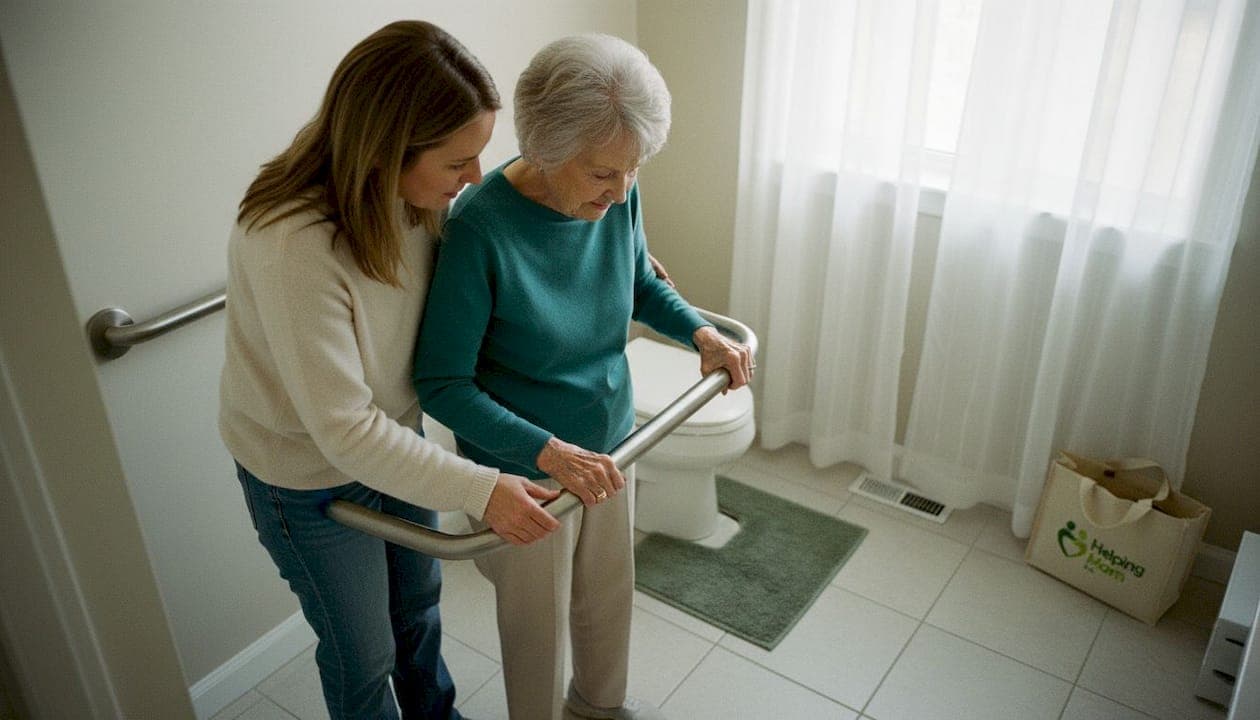
The bathroom is the highest fall risk area in any home. Wet floors, slippery tub edges, and limited grab points combine to create conditions where even a small misstep becomes serious. Addressing the bathroom first is the right call, and bathroom safety features appear in every effective home modification plan studied.
The most impactful single change is eliminating the traditional bathtub step-over. A zero-step curbless shower removes the one-legged balance moment that causes most bathroom falls. Walk-in showers typically cost between $3,000 and $12,000 depending on size and finish. That range sounds wide, but even a mid-range installation pays for itself if it prevents one emergency room visit.
Other bathroom upgrades worth prioritizing:
- Grab bars anchored into wooden studs near the toilet and inside the shower
- Comfort-height toilets (17–19 inches) that reduce strain on knees and hips
- Nonslip flooring or textured adhesive strips on wet surfaces
- A fold-down shower seat for stability during bathing
- A handheld showerhead on an adjustable slide bar for seated use
Pro Tip: Never mount grab bars into drywall alone. Bars anchored only to drywall will pull free under weight. Professional installation into wooden studs runs $150–$400 per bar and is worth every dollar.
2. How can doorways, hallways, and entryways be modified for better accessibility?
Mobility through the home depends on clear, wide pathways. Standard accessible doorways measure 32–36 inches wide, and hallways should be at least 48 inches wide to allow comfortable walker or wheelchair movement. If your parent's home has narrow 28-inch doorways, widening them is a structural project, but it is one of the highest-value investments you can make.
Entryways deserve equal attention. A single step at the front door is a daily hazard. Zero-step entries or a gently sloped ramp (with a 1:12 rise-to-run ratio) remove that risk entirely. Motion-sensor exterior lighting and handrails on both sides of any stairs are among the highest-return safety investments you can add without major construction.
Key changes to consider for doors and hallways:
- Widen doorways to at least 32 inches, ideally 36 inches
- Install lever-style door handles in place of round knobs
- Add a ramp or zero-step entry at the main entrance
- Place handrails on both sides of all interior and exterior stairs
- Install motion-sensor lights at the front door and garage entry
Lever door handles are a small but meaningful upgrade. They open with a simple push or pull, which matters greatly for anyone with arthritis or reduced hand strength.
Pro Tip: Accessible design does not have to look clinical. Integrating quiet accessibility features early, such as wider doorways and lever handles during a renovation, keeps the home looking like a home rather than a medical facility.
3. What safety improvements matter most in living spaces and bedrooms?
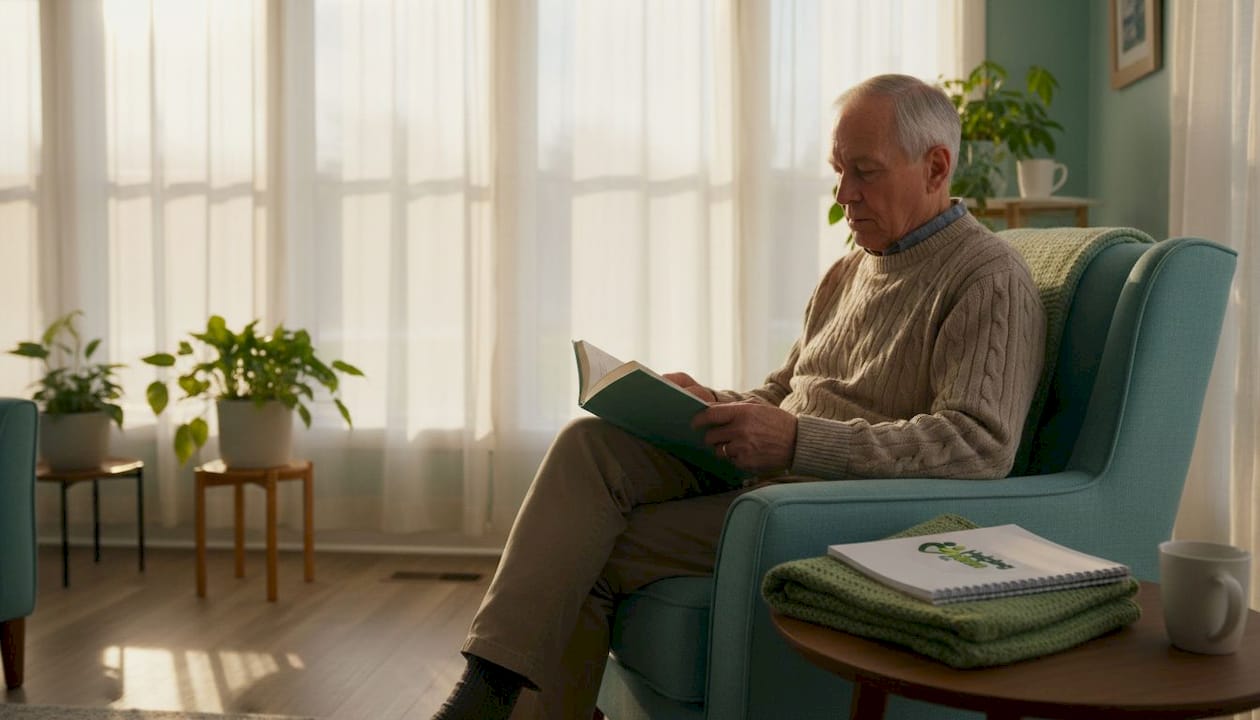
Living rooms and bedrooms carry their own set of risks, and most of the fixes here cost very little. Removing loose rugs, clutter, and low furniture creates immediate hazard reduction and makes daily movement easier. A rug that looks fine to you can catch a foot or a walker wheel in an instant.
Lighting on the path between the bedroom and bathroom is one of the most overlooked safety details. A parent who wakes at 2:00 AM in a dark hallway is at real risk. Plug-in night lights or motion-activated LED strips along the baseboard solve this problem for under $30.
Bedroom-specific changes that make a real difference:
- Add bed rails or a bed assist handle for easier transfers in and out of bed
- Position the bed so your parent can reach the floor firmly with both feet when sitting
- Clear a wide, unobstructed path from the bed to the bathroom
- Use pull-out shelving in closets to keep frequently used items within easy reach
- Replace low chairs and sofas with firmer, higher-seated furniture that is easier to rise from
Open floor plans and thoughtful furniture arrangement matter more than most families realize. A clear walking path is not just about aesthetics. It is a safety feature.
4. What mobility aids and technology can support independence at home?
Mobility aids and home technology fill the gap between what a person can do and what the home currently allows. Stairlifts are the most common solution for multi-story homes, with costs ranging from entry-level models for straight staircases to higher-cost options for curved or spiral stairs. Threshold ramps handle small step-overs at doorways and are inexpensive, often under $100.
Medical alert systems give both your parent and you real peace of mind. Wearable devices allow a person to call for help with one button press, even if they cannot reach a phone. Motion-sensor lighting inside the home, not just at the entry, adds another layer of protection at night without requiring any action from your parent.
A phased approach works best:
- Start with low-cost, high-impact changes: lighting, grab bars, lever handles, and rug removal
- Add mobility aids as needed: threshold ramps, shower seats, bed rails
- Plan larger structural changes: stairlifts, widened doorways, curbless showers
- Introduce technology: medical alert systems, motion sensors, remote-control blinds
Proactive home modifications costing $5,000–$15,000 can prevent fall-related hospital stays that cost $50,000 or more. Assisted living carries average annual costs up to $116,000. The math strongly favors early investment. Seniors who also focus on healthy aging habits alongside home modifications tend to maintain independence longer, since strength and balance play a direct role in fall prevention.
Pro Tip: Introduce new mobility aids gradually. A parent who feels their home is being "medicalized" all at once may resist changes. One or two additions at a time feel supportive rather than alarming.
Key takeaways
A phased, room-by-room approach to accessible home design produces the safest and most cost-effective results for aging parents.
| Point | Details |
|---|---|
| Bathroom is the top priority | Zero-step showers and properly anchored grab bars reduce fall risk most effectively. |
| Doorways and hallways need width | Aim for 36-inch doorways and 48-inch hallways to support walkers and wheelchairs. |
| Low-cost fixes deliver fast results | Removing rugs, adding night lights, and swapping door knobs cost little but matter greatly. |
| Early investment prevents larger costs | Spending $5,000–$15,000 now can prevent hospital stays costing $50,000 or more. |
| A phased approach reduces resistance | Gradual changes feel supportive to your parent and allow adaptation over time. |
What I've learned about making these changes without getting it wrong
When families come to this topic, they often want to do everything at once. I understand that instinct. You see a risk, and you want it gone. But the families who get this right almost always take a slower, more deliberate path.
The single most useful thing you can do before spending a dollar is consult an Occupational Therapist or a Certified Aging-in-Place Specialist (CAPS). These professionals assess your parent's specific mobility, strength, and daily routines. They identify risks you would never notice on your own, and they prevent you from spending money on modifications that do not match your parent's actual needs. A one-time assessment typically costs far less than one unnecessary renovation.
The second thing I would tell you is to start with what costs the least and changes the most. Grab bars, night lights, lever handles, and rug removal take an afternoon and a small budget. They also build trust with your parent. When they see that these changes feel normal and do not make the home look like a hospital, they become more open to larger modifications later.
The goal is not a perfectly retrofitted house. The goal is a home where your parent feels safe, comfortable, and like themselves. Those two things are not in conflict. They just require a little patience and a good plan. Helping-mom exists to help you build that plan, one clear step at a time.
— Mike C.
Practical next steps for your parent's home safety
Helping-mom has gathered its most useful guidance on making a home safer for seniors into one practical resource built specifically for adult children. Whether you are just starting to notice changes in your parent or you are ready to begin modifications, the aging in place home safety guide walks you through each area of the home with calm, clear advice. You will also find a detailed elderly home safety checklist that helps you spot risks room by room without needing a professional on-site. These resources are free, practical, and written for families exactly like yours.
FAQ
What is a senior-friendly home setup?
A senior-friendly home setup is a planned arrangement of safety and accessibility features designed to help older adults live independently at home. It typically includes bathroom modifications, improved lighting, wider doorways, and mobility aids suited to the individual's needs.
What home modification should I do first?
Start with the bathroom. Bathroom safety features appear in every effective home modification plan, and the bathroom carries the highest fall risk of any room in the home.
How much does a senior-friendly home setup cost?
A comprehensive home retrofit typically costs between $5,000 and $15,000. Low-cost changes like grab bars, night lights, and lever handles can be done for a few hundred dollars and should come first.
Do I need a professional to make these changes?
Grab bars and stairlifts require professional installation to be safe. An Occupational Therapist or Certified Aging-in-Place Specialist can assess your parent's home and recommend the right modifications for their specific situation.
What is the difference between aging in place and assisted living?
Aging in place means your parent continues living in their own home with appropriate modifications and support. Assisted living involves moving to a facility, with average annual costs up to $116,000, making home modifications a financially practical alternative when the home can be made safe.