
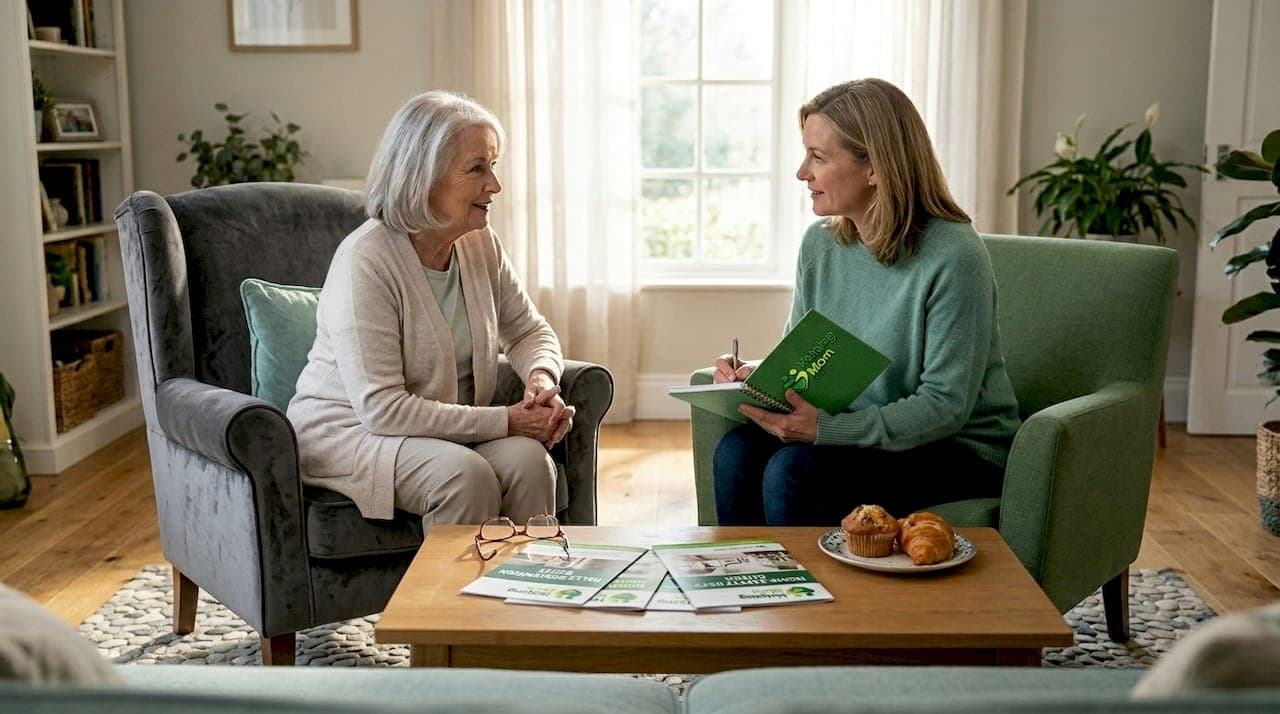
Choosing the right senior housing for your parent is one of the hardest decisions a family can face. You're weighing safety, comfort, budget, and your parent's feelings all at once, and it can feel like there are too many options and not enough clear answers. The good news is that this decision doesn't have to be overwhelming. With a structured way to look at each option, side-by-side cost comparisons, and a clear sense of what your parent actually needs today, you can narrow the field and move forward with confidence. This guide walks you through every major option, what each one costs, and how to find the right fit.
Table of Contents
- How to evaluate senior housing options
- Aging in place: Home modifications and in-home support
- Independent living communities
- Assisted living, memory care, and skilled nursing facilities
- Affordable and subsidized senior housing options
- Making the best choice: Key factors and next steps
- The most important factor nobody talks about in senior housing decisions
- Support, guides, and practical tools for your family's journey
- Frequently asked questions
Key Takeaways
| Point | Details |
|---|---|
| Assess real needs first | Understanding your parent’s health, safety, and social needs is crucial before considering housing options. |
| Housing types fit different situations | Each senior housing option—from aging in place to skilled nursing—suits different care and lifestyle needs. |
| Costs vary widely | Monthly prices range from $3,500 for independent living to $9,000 for skilled nursing, with subsidies available for some. |
| Emotional readiness is key | Family discussions and emotional preparation can make any transition more successful. |
| Use support resources | Guides, checklists, and expert advice help you navigate and personalize your choices. |
How to evaluate senior housing options
With that context, let's outline a clear evaluation process to set the stage for looking at housing options.
Before you start researching specific communities or reading brochures, it helps to pause and assess what your parent actually needs right now. Not what they might need in five years, but today. That clarity makes every conversation and every tour far more productive.
Start by thinking through three core areas:
- Medical and health support: Does your parent need help managing medications, wound care, physical therapy, or regular monitoring? Or are their health needs fairly routine?
- Daily living assistance: Can they bathe, dress, cook, and get around safely on their own? Do they need reminders or hands-on help for daily tasks?
- Social and emotional wellbeing: Are they isolated? Do they thrive with people around them, or do they prefer quiet independence?
Once you have honest answers to those questions, you can start weighing practical factors like safety at home, proximity to family, and monthly budget. It also helps to make home safer for your elderly parent before any major move, since some risks can be reduced with simple changes.
Keep in mind that your parent's needs will likely shift over time. A housing choice that fits perfectly today may need to be revisited in two or three years. Building flexibility into your thinking now saves stress later.
Pro Tip: Whenever possible, involve your parent directly in this process. Their sense of control over this decision matters enormously for their wellbeing and their cooperation.
Aging in place: Home modifications and in-home support
Once you've clarified your priorities, the first option many families consider is adjusting the family home.
Aging in place simply means your parent continues living at home, with modifications or outside support added as needed. For many families, this is the most emotionally comfortable starting point, and often the most affordable one. Home modifications and support services can allow seniors to remain at home, with cost effectiveness and family involvement as the main advantages.
Common modifications and supports include:
- Grab bars and handrails in bathrooms and stairways
- Ramps or stair lifts to replace steps at entry points
- Walk-in showers or raised toilet seats for safer bathroom use
- Personal care aides who come in for a few hours each day
- Meal delivery services like Meals on Wheels
- Medical alert devices and fall detection technology
The advantages are real. Your parent stays in a familiar environment, which is especially meaningful for those experiencing early memory changes. Family involvement tends to be higher. And when needs are modest, the cost can be significantly lower than any facility-based option.
That said, aging in place has real limits. If your parent's medical needs are complex or if they're at serious fall risk, home modifications may not be enough. Isolation is also a genuine concern, particularly for seniors who live alone and don't have regular visitors. Reviewing your aging in place home safety options and exploring technology for aging parents can help you fill gaps in safety and connection.
Pro Tip: A home safety assessment from an occupational therapist is one of the most practical first steps you can take. Many are available through local hospitals or Area Agency on Aging offices at low or no cost.
Independent living communities
In contrast to staying at home, some families consider a community setting for added amenities and social connection.
Independent living communities are designed for seniors who are largely self-sufficient but want the convenience and social richness of a community setting. Think of them less as "care facilities" and more as residential communities with built-in support.
These communities typically offer:
- Restaurant-style meals or flexible dining options
- Group activities and fitness classes
- Transportation services for errands and appointments
- Housekeeping and maintenance
- On-site amenities like libraries, pools, and community rooms
The median monthly cost of independent living is about $3,500, though this varies considerably by region and amenity level. That cost often includes housing, meals, and utilities bundled together, which can actually compare favorably to the total cost of maintaining a private home.
Who does well in independent living? Seniors who are socially motivated, physically active, and need little to no daily assistance tend to thrive here. The structured social calendar and built-in community can be genuinely life-giving for someone who was becoming isolated at home.
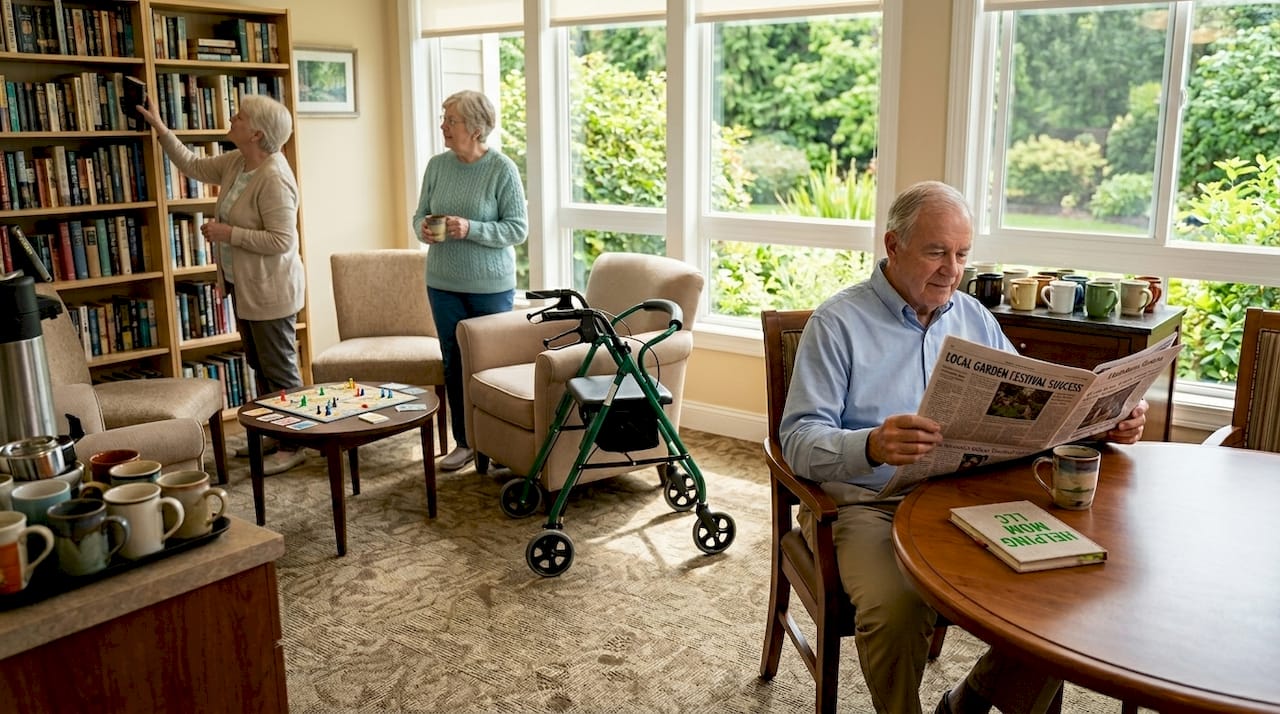
Who might not fit? If your parent needs help with bathing, dressing, or managing medications on a daily basis, independent living likely isn't enough. It's also worth checking what happens if care needs increase. Some communities have pathways to higher levels of care on the same campus, which is a real advantage worth asking about during your independent living facility tours.
Pro Tip: Ask specifically whether the community has any affiliation with assisted living or skilled nursing on-site. A continuing care retirement community (CCRC) model means your parent won't need to move again if their needs change.
Assisted living, memory care, and skilled nursing facilities
When care needs become more complex, these three options offer different solutions that vary dramatically in services and budget.
These three levels of care are often confused, but they serve meaningfully different purposes. Here's how they compare:
| Care type | Best for | Key services | Median monthly cost |
|---|---|---|---|
| Assisted living | Seniors needing daily task help | Bathing, dressing, medication, meals, activities | ~$5,000 |
| Memory care | Dementia and Alzheimer's residents | Secure environment, specialized staff, dementia programs | ~$6,000 |
| Skilled nursing | High medical needs, post-hospital care | 24/7 nursing, therapy, complex medical care | ~$9,000 |
Median monthly costs break down as follows: assisted living around $5,000, memory care near $6,000, and skilled nursing facilities averaging $9,000 per month.
Assisted living is a good fit when your parent needs regular help with activities of daily living (ADLs) like bathing, dressing, grooming, and managing medications, but doesn't require round-the-clock medical supervision. Most assisted living communities also offer meals, activities, and some transportation. Understanding what assisted living really means for your aging parent is worth doing before you schedule tours.
Memory care is a specialized unit or standalone community for people living with Alzheimer's disease or other forms of dementia. Staff are specifically trained in dementia care, and the physical environment is designed for safety, including secured exits and calming layouts. If your parent has received a dementia diagnosis, reading more about caring for a parent with dementia and understanding the range of dementia in aging parents can help you ask better questions during your search.
Skilled nursing facilities (sometimes called nursing homes) are the highest level of residential care. They're staffed by licensed nurses around the clock and serve residents who have serious, ongoing medical needs. Post-surgical recovery, wound care, IV therapy, and ventilator support are examples of what skilled nursing can manage.
Key things to watch for when evaluating these options:
- Staff-to-resident ratios during both day and night shifts
- How the facility handles behavioral challenges from dementia residents
- Whether there is a clear process for transitioning between care levels
- How family members are kept informed and involved
You can browse a wide range of caregiving resources to help you prepare for conversations with facility staff.
Pro Tip: Visit a facility unannounced at an off-peak time (like a weekend evening) if possible. How staff interact with residents when they don't know they're being evaluated tells you a great deal about the culture.
Affordable and subsidized senior housing options
Families who worry about cost may qualify for government or nonprofit-sponsored affordable housing.
Not every family can comfortably afford $5,000 or more per month. The good news is that there are real options for lower-income seniors, though they come with their own trade-offs.
The HUD Section 202 program is the federal government's primary affordable housing program for elderly people. According to available data, HUD Section 202 offers affordable rentals at 30% of income for low-income seniors aged 62 and older, with some services included and over 400,000 units operated by nonprofits nationwide.
Here's a quick look at how HUD Section 202 and similar programs work:
| Program feature | Details |
|---|---|
| Eligibility age | 62 and older |
| Income basis for rent | 30% of adjusted monthly income |
| Who operates units | Nonprofit organizations |
| Scale nationwide | Over 400,000 units |
| Services available | Meals, transportation, service coordination |
Pros of subsidized senior housing:
- Significantly lower monthly costs
- Some support services included
- Nonprofit oversight often means a mission-driven environment
Cons to be aware of:
- Waitlists can be long, sometimes years in high-demand areas
- Fewer amenity choices compared to private communities
- Limited geographic availability in some regions
To start your search, contact your local Area Agency on Aging (AAA), which you can find through the Eldercare Locator at eldercare.acl.gov. They can tell you what programs are available in your parent's area and how to apply. Start this process early. Waitlists move slowly, and getting your parent's name on a list now costs nothing.
Making the best choice: Key factors and next steps
Now that you understand your options, here's a step-by-step approach to narrowing them and starting the process.
The information above is most useful when it connects to action. Here's a practical sequence to follow:
- Assess current needs honestly. Write down your parent's medical, physical, and social needs as they are today. Be specific. "Mom needs help with medications and has fallen twice this year" is more useful than "Mom is slowing down."
- Set a realistic budget range. Include what your parent can contribute from income, savings, or home equity, along with any family contributions. Look into long-term care insurance and Medicaid eligibility early.
- Match needs to options. Use the comparisons in this article to identify which one or two types of housing fit your parent's current profile. If caring for a parent with dementia, narrow your focus toward memory care.
- Create a shortlist of specific communities. Aim for three to five options to tour. Use online reviews, state inspection reports, and personal referrals to narrow from there.
- Schedule tours with your parent. Whenever health allows, bring your parent along. Their reaction to the physical space and the people there matters.
- Ask the right questions during tours. Ask about staff turnover, how emergencies are handled, what happens when care needs increase, and how family communication is managed.
- Start paperwork early. Applications, financial disclosures, and physician assessments can take weeks. Don't wait until a crisis forces your hand.
There is no universally perfect answer. Every family's mix of needs, budget, geography, and relationships is different. Give yourself permission to find the solution that fits your family rather than searching for a flawless one.
The most important factor nobody talks about in senior housing decisions
Here's something most housing guides won't tell you. Families often spend weeks comparing amenities, calculating costs, and reading reviews. Then they pick what looks like the right place on paper, and it still doesn't feel settled. Why?
Because the clinical checklist is only part of the decision. The emotional piece, specifically whether your parent has genuinely accepted the change and whether you have worked through the feelings of guilt and uncertainty that come with it, shapes the outcome far more than the quality of the dining room.
Perfect timing rarely exists for this kind of decision. You will likely feel some guilt no matter when you act. Your parent may resist, feel angry, or grieve the loss of their independence. Those feelings are normal. They don't mean you made the wrong call.
What genuinely predicts a good outcome isn't finding the most amenities for the price. It's the quality of ongoing conversation. Families who talk openly with aging parents about fears, preferences, and concerns, before and after a move, report better adjustment and stronger relationships through the transition.
The practical truth is this: strong relationships and readiness to adapt outweigh any specific amenity list. A community that's a good-enough match, combined with a family that stays connected and communicates well, beats a perfect-on-paper facility where the family disengages after the move.
Revisit the choice as needs change. Senior housing isn't a one-time decision. It's an ongoing process of paying attention and adjusting. Treat it that way, and the pressure to get it perfectly right the first time eases considerably.
Support, guides, and practical tools for your family's journey
For families ready to take action or seeking further support, a variety of free guides and tools can make this journey easier. Helping Mom offers a range of practical, calm resources designed specifically for adult children navigating these decisions. Whether you're exploring aging in place home safety options or want to work through a complete elderly home safety checklist before a tour, these tools help you stay organized and feel prepared. Caring for a parent takes a real toll on you, too, and our caregiver wellbeing resources are here to support you through every stage. You don't have to figure this out alone.
Frequently asked questions
What is the difference between assisted living and skilled nursing?
Assisted living offers help with daily tasks and social activities, while skilled nursing provides 24/7 medical care and supervision for residents with intense, ongoing medical needs.
How much does senior housing cost each month?
Median costs by type are roughly $3,500 for independent living, $5,000 for assisted living, $6,000 for memory care, and $9,000 for skilled nursing, though prices vary significantly by location.
Who qualifies for affordable senior housing through HUD Section 202?
Low-income seniors aged 62 and older may qualify, with rent set at 30% of adjusted monthly income based on federal eligibility requirements.
How do I know when it's time for my parent to move from home?
Signs include frequent falls, growing difficulty managing daily tasks, increasing medical complexity, or noticeable isolation and loneliness. Regular check-ins and honest conversations help you recognize when needs have shifted beyond what home support can address.
Are memory care units different from assisted living?
Yes. Memory care provides specialized staffing and secure environments designed for dementia residents, while assisted living offers more general daily task support without the same level of specialized programming or safety features.
Recommended
- What Assisted Living Really Means for Your Aging Parent | Helping Mom LLC
- When Should an Elderly Parent Stop Living Alone? | Helping Mom LLC
- What Is an Independent Living Facility? | Helping Mom LLC
- Expert Moving Assistance for Seniors: A Guide for Families | Helping Mom LLC
- Best Bidets for Seniors in 2025: Safe, Easy & ADA-Friendly Options– Smart Toilets & Bidet Seats | Premium Bidet