
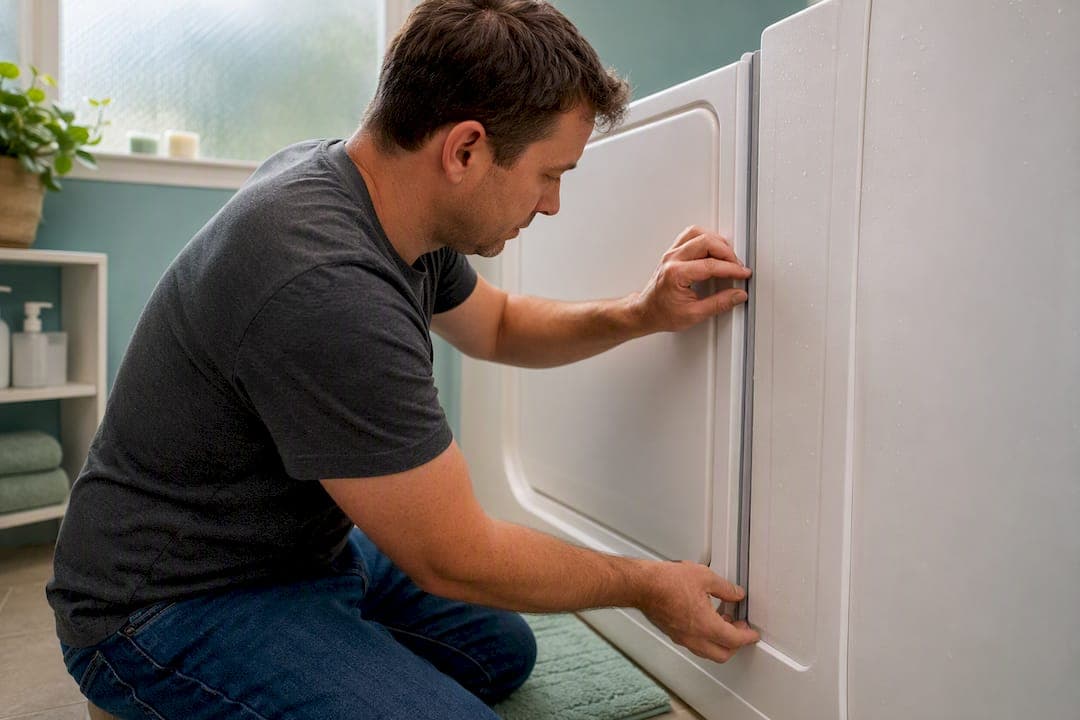
Most families pay a broad range for a fully installed walk-in tub, with typical projects falling within a moderate range, according to the National Council on Aging. That's a wide range for a reason: the tub itself is only part of the bill. Where you land depends on the model you choose, how much plumbing and electrical work your bathroom needs, and whether your contractor is doing a simple swap or a full remodel.
Here's the quick breakdown before you dig into the details:
- Tub only (equipment): roughly $2,000 to $12,000+ depending on features like jets and heaters
- Installed total (tub + labor + extras): roughly $3,000 to $17,000+
- Most common range: $8,000 to $13,000 for a standard installation with moderate plumbing work
Your best next step isn't picking a tub model online. It's getting two or three itemized, in-home quotes from local installers so you're comparing real numbers for your bathroom, not a national average that may not apply to your situation.
Key Takeaways
Walk-in tub costs typically range from $3,000 to $17,000 installed, and the biggest cost drivers are installation complexity and regional labor rates, not the tub itself.
| Point | Details |
|---|---|
| Budget realistically | Plan for $8,000 to $13,000 installed for a standard project with moderate plumbing needs. |
| Prioritize entry safety over features | A low threshold and fast-drain door prevent more falls than jets or lighting. |
| Check VA and Medicare Advantage first | VA grants and some Medicare Advantage plans may help offset costs; Original Medicare generally does not. |
| Get itemized quotes | Compare tub, labor, and extras separately across at least two or three local installers. |
| Consider alternatives | A shower conversion or grab bars and non-slip mats may solve the safety problem at a lower cost. |
Table of Contents
- How Much Does a Walk-In Tub Cost by Type and Material?
- What Determines the Cost to Install a Walk-In Tub?
- What Extras and Ongoing Costs Should You Budget For?
- Where Can You Find Help Paying for a Walk-In Tub?
- How Do You Get an Accurate Quote from Installers?
- How Long Does Walk-In Tub Installation Take?
- Are There Cheaper Alternatives to a Walk-In Tub?
- What Should Caregivers Prioritize When Budgeting for a Walk-In Tub?
- What's Included in the Tub Price vs. the Installation Price?
- Does Where You Live Change the Price of a Walk-In Tub?
- What Warranty Coverage Comes with a Walk-In Tub?
- Will a Walk-In Tub Affect Your Homeowners Insurance?
- Helping Mom's Take: Budgeting for Safety, Not Just Features
- Ready to Plan Your Parent's Bathroom Safety Upgrade?
- A Practical Read on Walk-In Tub Pricing
- Sources
- FAQ
How Much Does a Walk-In Tub Cost by Type and Material?
The tub itself is the first major decision, and it's where the biggest price swings happen before you even get to installation. A basic model and a premium hydrotherapy unit can differ by $8,000 or more in equipment cost alone.
Basic soaker tubs run about $2,000 to $5,000 for the unit itself, according to industry pricing data from Kohler's walk-in bath overview. These have a low step-in threshold, a built-in seat, and a watertight door. No jets, no heaters. They're the option most families choose when the goal is simply safer, easier bathing, not therapy.
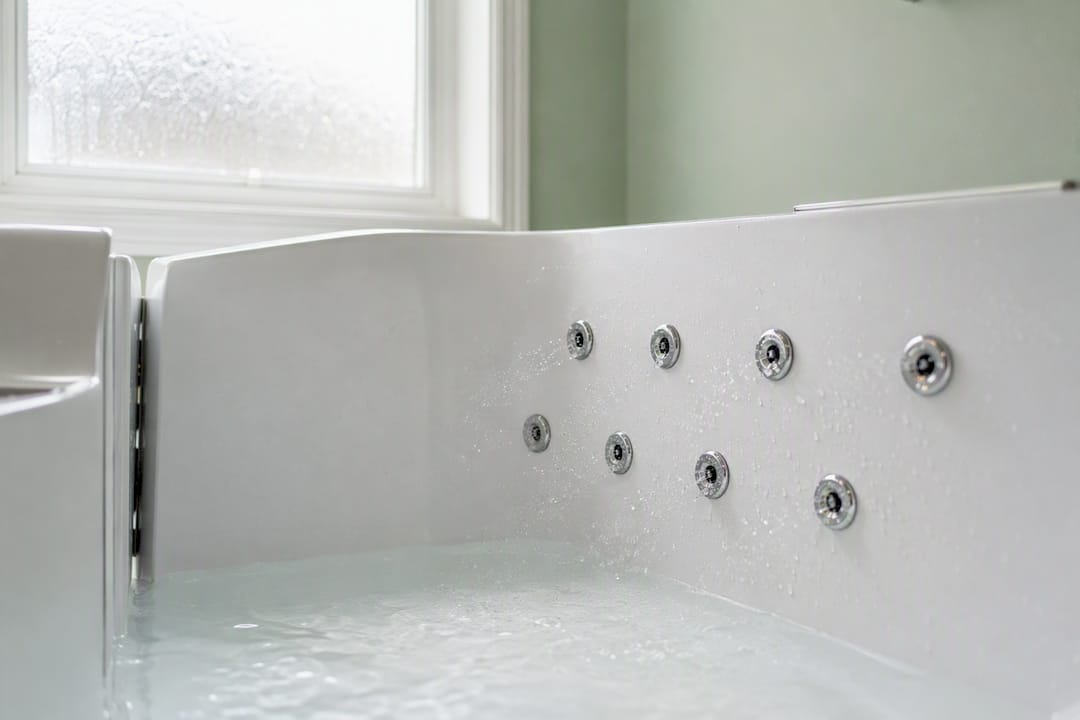
Hydrotherapy or jetted tubs typically cost $5,000 to $12,000 or more for the tub alone, per the same Kohler pricing data. These add water jets, sometimes air jets, and often a faster drain system so you're not sitting in cooling water while it empties. If your parent has arthritis or chronic joint pain, this tier is where the therapeutic value shows up, but it also means more moving parts that can eventually need service.
Specialty tubs, built for wheelchair users or bariatric needs, sit at the higher end because they require reinforced frames, wider doors, and sometimes power-assisted seats. Expect these to price closer to the jetted tier or above, with installation costs that run higher too because of the structural support they need.
Premium models stack in extras like chromotherapy lighting, aromatherapy diffusers, and heated backrests, which can push the tub-only price toward $12,000 or beyond.
On materials, you'll mostly see two choices:
- Fiberglass: less expensive up front, lighter weight (easier and cheaper to install), but more prone to scratching and fading over the years
- Acrylic: costs more initially, holds its finish longer, and resists cracking better under daily use
For most caregivers focused purely on fall prevention rather than therapy, a basic acrylic soaker tub hits the sweet spot: durable enough to last, without paying for jet systems nobody asked for.
What Determines the Cost to Install a Walk-In Tub?
Installation is where quotes vary the most from house to house, because no two bathrooms present the same plumbing, electrical, or structural situation. A straightforward swap in a modern bathroom can cost a fraction of what a century-old home with cast-iron plumbing will run.
Rough installation tiers to expect:
- Basic swap (same footprint, existing plumbing works): $1,000 to $2,500
- Moderate complexity (some plumbing or electrical rerouting): $3,000 to $5,000 or more
- Complex remodel (structural changes, cast-iron removal, floor reinforcement): $5,000 to $8,000 or more
Several specific factors push a project into the higher tiers:
- Removing and hauling away a heavy cast-iron tub, which often requires extra labor and disposal fees
- Adding a dedicated GFCI electrical circuit for jetted or heated models, since most older bathrooms weren't wired for that load
- Upgrading the water heater, because walk-in tubs with jets can require a higher-capacity unit to keep water warm through the whole soak
- Reinforcing the subfloor if the new tub is heavier or positioned differently than the old one
- Permit fees, which vary by city and are often required for plumbing or electrical changes
Labor cost is the piece most people underestimate. Consumer guides from HomeGuide report installed totals commonly ranging from about $4,000 to $18,000, and a big chunk of that spread comes down to what your local plumbers, electricians, and carpenters charge per hour.
Statistic Callout: The Bureau of Labor Statistics tracks mean hourly wages for the specialty trade contractors who typically handle this kind of work, plumbers, electricians, and carpenters, and those wages vary meaningfully by region. A metro area with a high cost of living will generally see higher installation quotes than a rural town, even for the identical tub model.
What Extras and Ongoing Costs Should You Budget For?
Beyond the tub and the labor, a handful of add-ons and recurring costs quietly shape your total bill.
Feature add-ons typically run:
- Jets (hydrotherapy): often included in the $5,000 to $12,000+ tub price tier, not usually itemized separately
- Heated backrests or heated seats: a few hundred dollars added to the base model
- LED chromotherapy lighting: typically $100 to $300
- Aromatherapy systems: usually $200 to $500
Walk-in tubs hold considerably more water than standard tubs, often about double the volume, which may necessitate a water-heater upgrade in some homes. Skipping this step means Mom finishes her bath in lukewarm water, which defeats the point of a soothing soak.
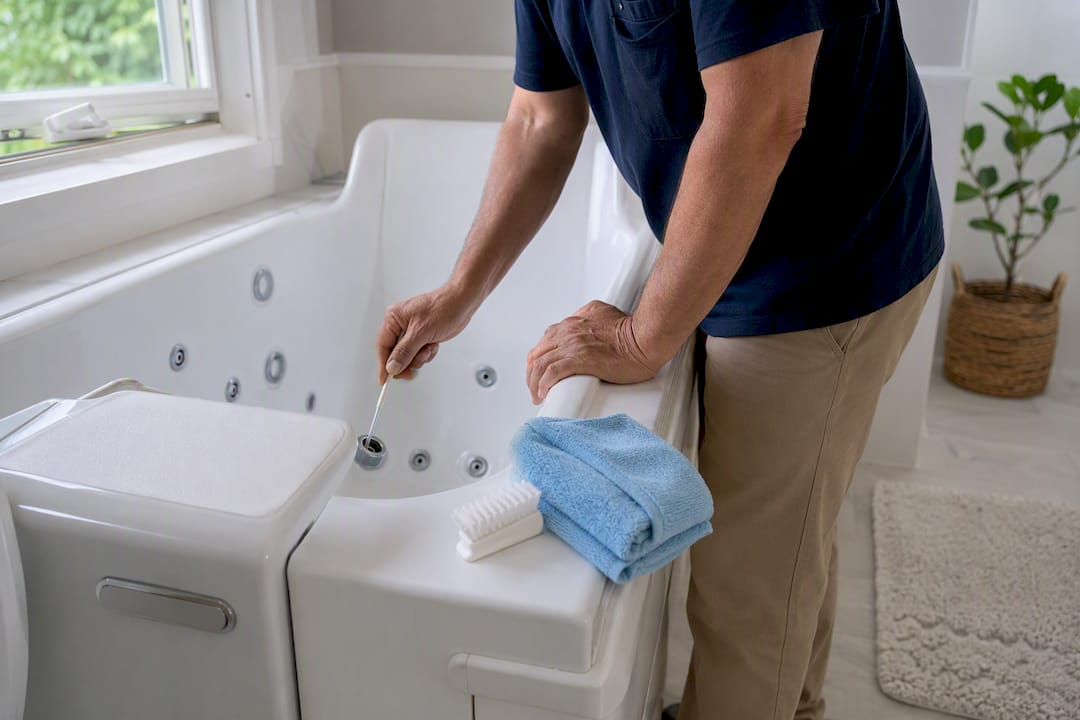
Ongoing maintenance is modest but real: annual jet-line cleaning to prevent buildup, door-seal inspections to catch leaks early, and occasional service calls if a pump or heater component fails. Most of these run $100 to $300 per visit when you do need a technician.
Where Can You Find Help Paying for a Walk-In Tub?
Money is often the real obstacle, not the decision itself. A few paths are worth checking before you assume the full cost falls on your family.
- VA housing adaptation grants. The Department of Veterans Affairs offers programs like HISA, SAH, and SHA that can help eligible veterans pay for home accessibility modifications, sometimes including bathroom safety upgrades. Eligibility rules are strict and documentation-heavy, so start early and don't assume you qualify without checking the specifics.
- Medicare and Medicare Advantage. Original Medicare generally doesn't cover walk-in tubs, but some Medicare Advantage plans offer allowances or supplemental benefits for home modifications, according to Medicare. Call your parent's plan directly and ask what's listed under home safety or durable medical equipment benefits.
- Nonprofit and local programs. Organizations like Rebuilding Together provide home safety modifications, sometimes at no cost, for qualifying low-income homeowners. Your local Area Agency on Aging is also worth a call, and the BenefitsCheckUp tool can surface state-specific programs you might not find on your own.
- Manufacturer or dealer financing. Many walk-in tub companies offer in-house financing or partner with lenders. Read the loan terms carefully. A low monthly payment stretched over eight years can cost far more in interest than a shorter loan with a higher payment.
How Do You Get an Accurate Quote from Installers?
The single biggest budgeting mistake is comparing quotes that aren't actually comparable. One contractor's "$5,000" might include everything; another's might exclude removal, permits, and electrical work entirely.
- Ask for a fully itemized quote that separately lists the tub, old-tub removal and disposal, plumbing work, electrical work, permits, and finish work like tile or drywall repair.
- Ask who pulls the permits and whether that's included in the price or billed separately.
- Ask about the warranty, specifically what's covered on the tub itself versus the installation labor, and for how long.
- Ask what triggers a change order, so you're not surprised by an extra charge mid-project if they find something unexpected behind the wall.
- Verify the contractor's state license and check reviews or complaints through the Better Business Bureau before signing anything.
Pro Tip: Get every quote in writing before you agree to a start date. A verbal estimate that sounds reasonable on the phone has a way of growing once the work actually begins.
How Long Does Walk-In Tub Installation Take?
A simple swap where the plumbing lines up with the old tub usually takes one to two days. A full remodel, especially one involving cast-iron removal, subfloor reinforcement, or electrical rerouting, can stretch to several days or up to a week, plus drying time for any tile or grout work.
- Day one typically covers demolition and removal of the old tub
- Middle days cover plumbing and electrical connections, plus the new tub installation
- Final steps include testing, sealing, and finish work, sometimes with a required inspection
Plan an alternate bathing setup for your parent during this window, whether that's a temporary sponge-bath routine or a visit to a family member's house. Lay down floor protection in hallways leading to the bathroom, and keep a phone number handy for quick check-ins with the installer if the timeline shifts.
Are There Cheaper Alternatives to a Walk-In Tub?
A walk-in tub isn't the only path to safer bathing, and for some families it isn't the right one at all.
- Walk-in shower conversions often cost less than premium walk-in tubs and typically involve less ongoing maintenance, since there's no door seal to inspect. They also work better for caregivers who need to assist standing users.
- Portable walk-in tubs offer a lower upfront cost and no permanent installation, but they can be bulkier to use daily and some models have narrower interior space.
- Low-cost safety upgrades like grab bars ($20 to $100 each), non-slip mats ($15 to $40), handheld shower heads ($30 to $80), and shower seats ($40 to $150) can meaningfully reduce fall risk for a fraction of the cost.
What Should Caregivers Prioritize When Budgeting for a Walk-In Tub?
The features that matter most day to day aren't the ones in the glossy brochures. A low step-in threshold, a quick-drain door, and a built-in seat prevent more falls than jets or lighting ever will.
If your parent has good upper-body strength but shaky balance, a basic soaker tub with anti-slip flooring solves the real problem. If they're managing chronic pain, the jetted tier earns its price. Spend where the daily risk actually lives, not where the showroom pitch points you.
Pro Tip: Before you spend a dollar on tub features, walk through your parent's actual bathing routine with them. The step they struggle with most tells you exactly what to prioritize.
For a broader look at bathroom and home safety planning beyond the tub itself, our guide to setting up a senior-friendly home covers the smaller changes that often matter as much as the big renovation.
What's Included in the Tub Price vs. the Installation Price?
Breaking your quote into three buckets makes it much easier to spot where the money actually goes, and where a contractor might be padding the bill.
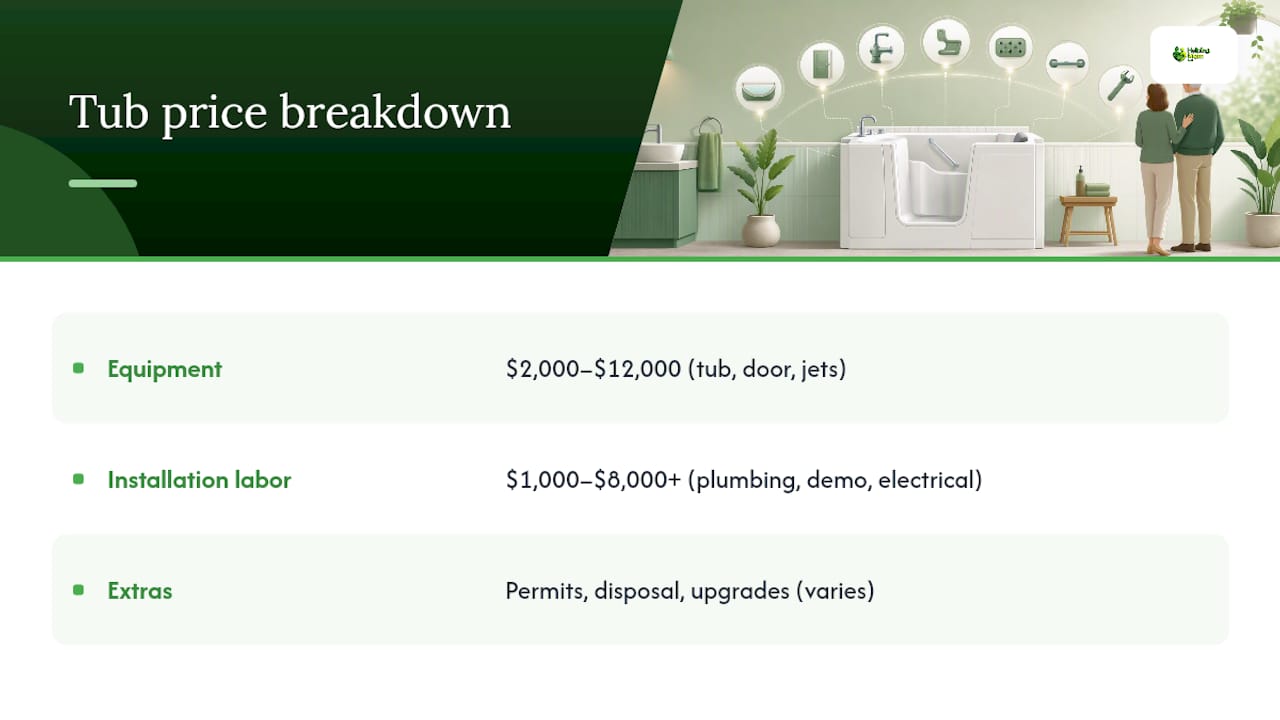
Equipment (the tub itself): This is the manufactured unit, covering the shell, the door and seal, the built-in seat, and any jets, heaters, or lighting features. This piece typically runs $2,000 to $12,000 depending on tier, and it's the one line item you can shop and compare across brands before you ever call an installer.
Installation labor: This covers demolition, plumbing connections, electrical work if needed, and the physical setup of the new tub. As covered earlier, this ranges from about $1,000 for a simple swap to $8,000 or more for a complex remodel. Labor rates track regional trade wages, which is why the same tub can cost noticeably more to install in a high-cost metro area.
Extras: Permits, disposal fees for the old tub, water heater upgrades, floor reinforcement, and finish work like tile repair fall into this category. Home Depot's installation cost guidance puts some average project totals near $12,500 once all three buckets are combined, which lines up with the middle of the typical national range.
Ask your contractor to break the quote into exactly these three categories. If they resist or only give you one lump number, that's worth a follow-up question before you sign anything.
Does Where You Live Change the Price of a Walk-In Tub?
Yes, and the difference can be substantial. Two identical tub models installed in different parts of the country can carry installation quotes thousands of dollars apart, driven almost entirely by local labor rates and permit costs.
Metro areas on the coasts, particularly in California, the Northeast corridor, and parts of the Pacific Northwest, tend to see higher installation costs because BLS wage data shows plumbers, electricians, and carpenters in those regions earning higher average hourly wages than their counterparts in the Midwest or South. Permit fees also vary by city and county, and some jurisdictions require more inspections than others for bathroom plumbing and electrical work.
Rural areas sometimes offset higher travel time for contractors with lower base labor rates, so the net cost can land close to what a suburban homeowner pays despite the longer drive for the installer. Older housing stock matters too. Homes built before the 1970s, common throughout the Northeast and parts of the Midwest, often still have cast-iron tubs and outdated wiring, which adds removal and upgrade costs regardless of region.
The practical takeaway: a national average is a starting point, not a promise. Get quotes from installers who actually work in your zip code before you set a firm budget.
What Warranty Coverage Comes with a Walk-In Tub?
Most manufacturers offer a limited warranty on the tub itself, commonly covering the shell, door seal, and mechanical components like jets and pumps for a period ranging from one year to a lifetime, depending on the brand and tier you buy. Higher-end models tend to carry longer warranties on the shell structure, sometimes lifetime coverage on the acrylic or fiberglass basin, while electronic components like heaters and pumps usually carry shorter terms, often one to five years.
Installation labor is typically covered separately, under a warranty from the contractor rather than the manufacturer. This can range from 90 days to a few years, and it's a completely different document from the tub's warranty. Always ask for both in writing.
What's commonly excluded: damage from improper use, mineral buildup from hard water that isn't maintained, and any issues traced back to a botched installation rather than a defective product. This last point is exactly why hiring a licensed, reputable installer matters as much as picking a good tub. A great tub with a poor installation job can void the manufacturer's warranty entirely if water damage results from a bad seal.
Before you sign a contract, ask the installer directly what their labor warranty covers and get the manufacturer's warranty document for the specific model you're buying, not just a general brochure.
Will a Walk-In Tub Affect Your Homeowners Insurance?
Installing a walk-in tub generally doesn't raise your premium or require a policy change on its own, since it's a fixture replacement similar to swapping out any other bathroom fixture. However, a few situations are worth a quick call to your insurance agent before the work starts.
If the installation involves electrical work, particularly adding a new dedicated circuit, some insurers want that documented to confirm the work was done by a licensed electrician and met code. Unpermitted electrical or plumbing work can occasionally create complications if you ever file a water-damage claim later, since insurers may ask whether the modification was done to code.
Water damage from a poorly sealed door is the other consideration. If a leak damages flooring or a ceiling below, your homeowners policy likely covers the resulting damage the same way it would any other plumbing leak, but a documented, permitted installation gives you cleaner claim history than an unpermitted DIY job. It's a five-minute phone call that can save a headache if something goes wrong down the road.
Helping Mom's Take: Budgeting for Safety, Not Just Features
The tub features that matter most for daily safety are rarely the ones that cost the most. A low threshold, a fast-drain door, and a built-in seat prevent falls. Jets and lighting are comfort, not safety. When budgets are tight, spend on the entry and exit points first.
If your parent is managing joint pain alongside a fall risk, the calculation shifts, and a mid-tier jetted model can genuinely earn its price. For everyone else, a well-installed basic tub outperforms a feature-loaded one with a rushed installation. If you want a broader framework for prioritizing home safety changes beyond the bathroom, our aging in place and home safety guide walks through how to sequence these decisions without overwhelming your budget or your parent.
Pro Tip: Pair any bathroom safety upgrade with a look at balance and strength, since mobility improvements reduce fall risk in ways a tub alone can't. A resource like balance training for seniors complements a safer bathroom rather than replacing the need for one.
Ready to Plan Your Parent's Bathroom Safety Upgrade?
Pricing out a walk-in tub is only one piece of a bigger safety picture. If you're trying to figure out what to tackle first, whether that's the bathroom, the stairs, or the entryway, Helping-mom's practical guide to making a home safer for seniors walks you through prioritizing changes without spending money on the wrong things first. It's built for exactly this moment: when you know something needs to change, but you're not sure where to start or what actually matters most.
A Practical Read on Walk-In Tub Pricing
The industry loves to lead with jets, lighting, and spa-like language, but the research here points somewhere plainer: the door seal and the step-in height do more for safety than any feature on the premium tier. That's the gap between what's marketed and what actually prevents a fall at 2 a.m.
Conventional advice tends to treat cost as a single number to find online. It isn't. Your quote depends on your bathroom's plumbing age, your region's labor rates, and whether your contractor is upfront about permits and change orders before the work starts, not after.
If there's one thing worth doing differently, it's this: stop comparing tub brands before you compare installers. The tub is a manufactured product that performs about the same across reputable brands. The installation is where quality, and cost, actually diverges. Get the labor quote right first, and the rest of the decision gets much easier.
— Mike C.
Sources
- Understanding the Cost of Walk In Tubs — NCOA
- BLS occupational employment and wage data — NAICS 238 (specialty trade contractors)
- Prosthetics
- Medicare
FAQ
How much will Medicare pay for a walk-in tub?
Original Medicare generally does not cover walk-in tubs. Some Medicare Advantage plans offer allowances or supplemental benefits for home modifications, so check your specific plan documents or call the plan directly to ask.
What are the downsides of a walk-in tub?
The door and seal can eventually leak if not maintained, the high water volume (often about double standard tubs) may require a water heater upgrade, and you have to wait for the tub to fill or drain before entering or exiting safely.
How can I get a free or low-cost walk-in shower for seniors?
Nonprofit programs like Rebuilding Together sometimes provide free or reduced-cost home safety modifications for qualifying low-income homeowners, and your local Area Agency on Aging can point you to additional state-specific resources.
Do walk-in tubs require special plumbing?
Many installations need at least minor plumbing adjustments, and models with jets or heaters typically require a dedicated electrical circuit; older homes with cast-iron tubs often need more extensive plumbing and electrical updates.