
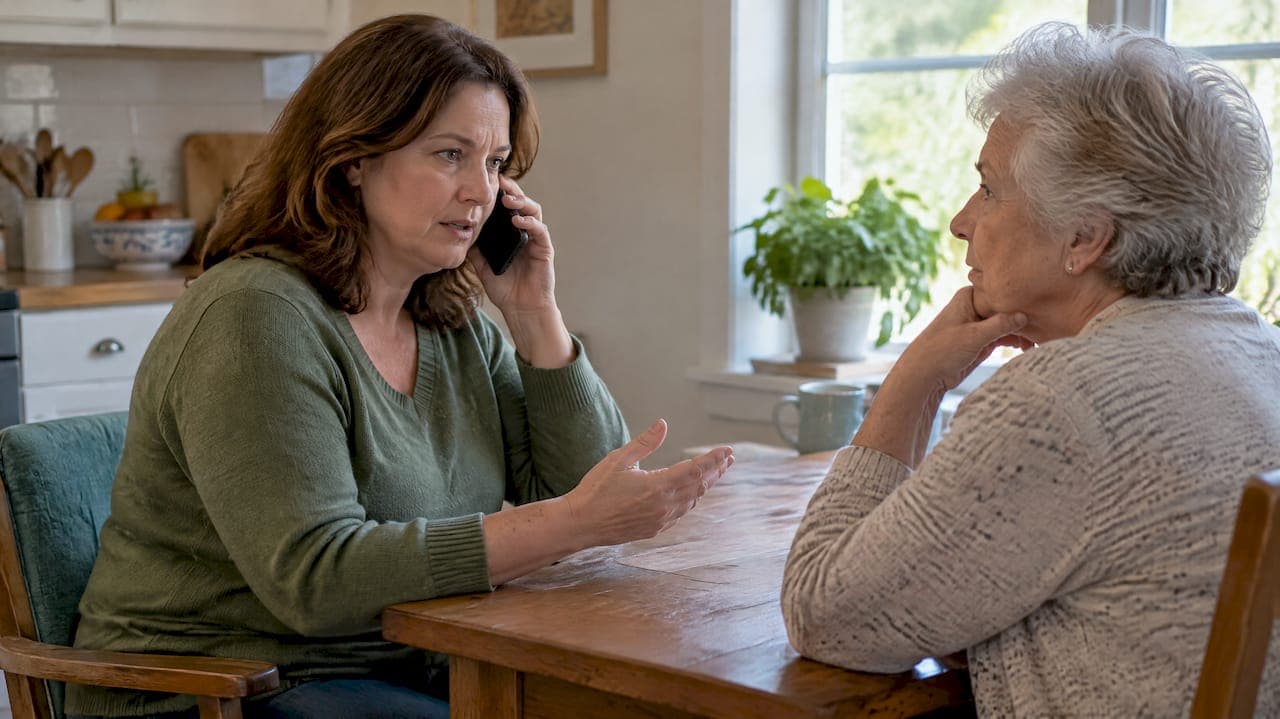
A paid caregiving consultation usually costs within a moderate range for a 30 to 60-minute virtual session, with higher fees for in-home safety assessments depending on travel and the depth of the report. Many families can also get real help for free through their local Area Agency on Aging. If you need a tailored plan or a written list of home fixes fast, paying for a consult is often worth it. If you just need direction, start with a free call first.
TL;DR:
- Virtual caregiving consultations under $75 generally focus on one or two specific concerns and do not include detailed reports or home assessments.
- Free services from local Area Agencies on Aging and programs like TCARE or Savvy Caregiver provide structured support and can often meet many families’ needs at no cost.
- Asking for an itemized breakdown before booking helps ensure you compare comparable services and avoid overpaying for unnecessary extras.
- Preparing by taking photos, listing concerns, and prioritizing questions enhances the value of the session and ensures clear next steps.
Table of Contents
- What you actually get in a caregiving consultation
- What does a caregiver consultation cost in different formats?
- What makes a consultation cost more or less
- Free and low-cost alternatives worth checking first
- How to prepare so the session is worth every dollar
- When paying for a consultation actually pays off
- Helping Mom's consultation options and which fits your budget
- FAQ
- Sources
What you actually get in a caregiving consultation
Before you compare prices, it helps to know what these sessions actually cover. Formats vary, but most fall into three types:
- Caregiving Clarity Session: a focused virtual call, usually 30 to 60 minutes, built around your specific questions and worries.
- Virtual Home Safety Consultation: a video walkthrough of your parent's home, with a consultant pointing out risks in real time.
- In-Home Age-Safe Home Safety Assessment: an in-person visit, often 60 to 120 minutes or more, that results in a full written report.
What you walk away with matters more than the format. A good consultation should give you:
- A prioritized list of safety fixes, starting with the ones that matter most.
- A short action plan or checklist you can actually follow.
- A list of local resources or referrals for next steps.
- Suggested language for difficult family conversations.
- A printable schedule to help you track what gets done.
Who runs the session shapes what you receive. Caregiving consultants bring real-world family experience and practical judgment. Social workers bring training in navigating benefits and services. Certified Age Safe assessors bring a structured eye for fall risks and home modifications. None of these replace a doctor's advice. All of them exist to help you plan.
What does a caregiver consultation cost in different formats?
Pricing tends to fall into three bands, and knowing which one you're looking at helps you spot a fair quote from an inflated one.
- Lower-cost virtual consults typically last around 30 minutes and focus on one or two specific concerns with light follow-up.
- Mid-range sessions tend to be fuller planning meetings lasting closer to an hour, often including a written summary and referral suggestions.
- Higher-cost offerings often involve comprehensive in-home assessments with travel, photos, and detailed reports.
A quote under $75 often means a short, narrowly scoped call, not a full assessment with a written plan. One real-world example of how these models coexist: some community organizations offer a free telephone-based care consultation for initial support, paired with a fee-based in-depth geriatric assessment for families who need more. That hybrid approach shows up across the country in different forms.
Prices shift by region, mostly because travel time and local cost of living affect in-home visits more than virtual ones. A consultant driving 45 minutes each way will usually charge more than one doing a video call from home. Credentials and bundled extras, like a 30-day follow-up call or a second visit, also push the price up. If a quote seems unusually high, ask whether it includes multiple professionals or a multi-hour visit. If it seems unusually low, ask exactly what's included, since a bare-bones call and a full assessment rarely cost the same.
What makes a consultation cost more or less
A handful of factors explain most of the price difference between a $100 call and a $500 visit:
- Length and depth: a quick 30-minute triage costs less than a full on-site safety audit.
- Travel time: in-home visits add cost that virtual sessions skip entirely.
- Deliverables: a written report with photos costs more than verbal notes.
- Credentials: specialized certifications or clinical training often raise the rate.
- Follow-up: a included 30-day check-in adds value but also adds cost.
- Urgency: a same-week or weekend booking sometimes carries a premium.
Payment models vary too. Some consultants charge a flat one-time fee, others sell session packages, and some nonprofit-affiliated programs offer sliding-scale or no-cost options for qualifying families.
Pro Tip: Ask for an itemized breakdown of what's included before you book, so you're comparing the same deliverables across quotes, not just the headline price.

Free and low-cost alternatives worth checking first
Before you pay out of pocket, it's worth knowing what's already available at no cost. The Eldercare Locator is a federal service that connects families to local Area Agencies on Aging, and you can reach trained staff at 1-800-677-1116 or through eldercare.acl.gov.
Area Agencies on Aging, funded in part through the National Family Caregiver Support Program, offer information, access assistance, counseling, training, and respite support, often without charge. Many AAAs also offer evidence-based programs like TCARE and Savvy Caregiver, which provide structured caregiver assessments and dementia-related skill building at no cost.
Here's a simple way to decide where to start:
- Call Eldercare Locator or your local AAA first for general guidance and referrals.
- Ask specifically about TCARE, Savvy Caregiver, or similar no-cost programs in your area.
- Book a paid consultation when you need a tailored plan, an in-home fix list, or guidance on short notice.
For more detail on locating these services, our guide on finding caregiver support walks through the process step by step.
How to prepare so the session is worth every dollar
A little preparation turns a good consultation into a genuinely useful one. Before your call or visit:
- Take photos of any areas in the home that worry you, like stairs, bathrooms, or poor lighting.
- Write a few short notes on your parent's daily routine and your biggest concerns.
- List any recent falls or near-misses, even minor ones.
- Decide on two or three questions you most want answered.
When you book, ask directly about deliverables, follow-up options, travel fees, and the cancellation policy, so there are no surprises afterward.
Pro Tip: Bring a printable caregiver schedule to the session so you can map action items directly onto your week.
When paying for a consultation actually pays off
Families usually tell us one of two things after a paid session: either it confirmed what they suspected and gave them a clear next step, or it uncovered something they hadn't noticed, like a loose stair rail or a medication mix-up risk hiding in plain sight. A short virtual session can be enough to settle a nagging worry. A referral through a free AAA program can resolve a need without spending anything at all.
A consultation is a planning and safety tool, not a medical evaluation. It won't diagnose a condition, but it can bring real clarity to a confusing moment.
— Mike C.
Helping Mom's consultation options and which fits your budget
There are various paid consultation options available, each built for different needs and budgets. Some sessions may include focused, virtual conversations about next steps, remote walkthroughs without travel costs, or full on-site reviews with written reports offered locally in specific areas.
What sets these apart from a typical clinical assessment is the tone: calm, dignity-focused, and free of jargon or alarm. If you're ready for a clear next step, you can book a Caregiving Clarity Session or explore our virtual home safety consultations to find the format that fits where you are right now.
FAQ
How much does a virtual caregiving consultation cost?
Most virtual sessions, including short 30 to 60 minute calls, vary depending on length and whether a written summary is included. Some caregiving clarity sessions are priced around 97 USD one-time.
What does an in-home safety assessment typically include?
An in-home assessment usually includes a room-by-room walkthrough, photos of problem areas, and a written report with prioritized fixes. Such sessions typically cost more than virtual calls and vary depending on travel distance and report depth.
Are there free alternatives to a paid caregiver consultation?
Yes. The Eldercare Locator and local Area Agencies on Aging offer free information, counseling, and referral services, and some AAAs provide no-cost programs like TCARE and Savvy Caregiver.
How do I know if a consultation quote is fair?
Ask for an itemized list of what's included, such as time on site, a written plan, photos, and follow-up, so you can compare quotes by deliverables rather than price alone. A very low quote often means a narrower scope, not a bargain.
Is a paid consultation a replacement for a doctor's advice?
No. A caregiving consultation focuses on practical planning and home safety, not medical diagnosis or treatment, and should be used alongside, not instead of, medical care.