
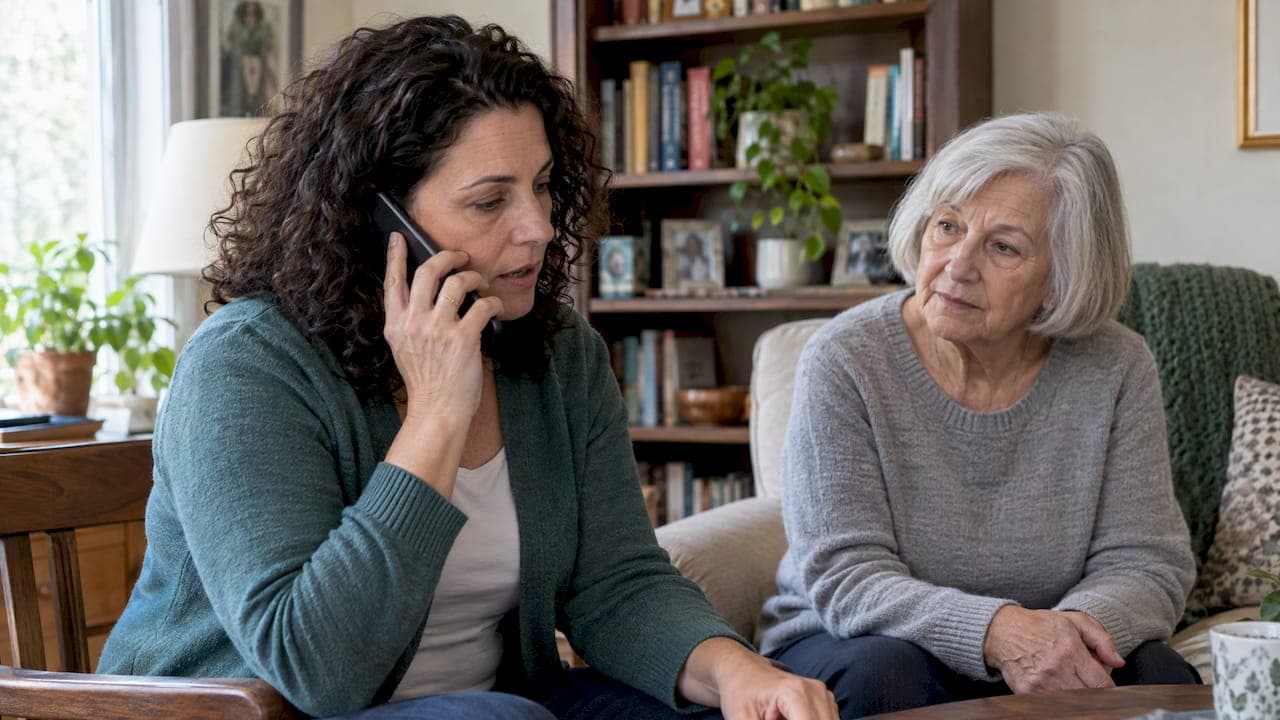
For senior home safety help in Orlando, your first calls should be the Elder Helpline through Senior Resource Alliance, 2-1-1 for urgent needs, or Orlando Fire Department's OFD Cares for a free home visit. While you wait for a callback, clear loose rugs and cords from walkways and add a nightlight near the bathroom. If you ever suspect abuse or financial exploitation, call Florida's elder abuse hotline at 1-800-962-2873 right away.
TL;DR:
- Call Senior Resource Alliance for ongoing subsidized care, home care, or meal referrals; use 2-1-1 instead for immediate food, housing, or utility crises.
- Orlando’s repair program requires applicants to own and occupy homes within city limits; it excludes condos, mobile homes, and reverse mortgages, so verify eligibility first.
- OFD Cares offers a free home visit, fire safety review, and smoke and carbon monoxide alarm installation for qualifying homes; ask directly about alarm eligibility.
- For suspected abuse, neglect, or financial exploitation, call Florida’s hotline at 1-800-962-2873 and local law enforcement; Florida treats reporting as a shared responsibility.
Table of Contents
- Orlando programs that help seniors stay safe at home
- Which number to call first, and what to expect
- Quick, low-cost home safety fixes you can start today
- Local funding and programs that help pay for repairs
- Preventing fraud and protecting your parent financially
- Scheduling a home safety assessment that actually helps
- What one small fix can teach you about caregiving
- How we can help if you want local, guided support
- FAQ
- Sources
Orlando programs that help seniors stay safe at home
Once you know who handles what, finding the right help gets a lot less confusing. Each of these local programs covers a different piece of the puzzle, from paying for repairs to preventing falls to stopping scams before they start.
Senior Resource Alliance operates as the Area Agency on Aging for Orange, Seminole, Osceola, and Brevard counties, and its Elder Helpline is the closest thing Orlando has to a single front door for senior services. We'd call this number when a parent needs ongoing, subsidized support rather than a one-time fix: the staff screen for Community Care programs and make referrals to home care, Meals on Wheels, and other long-term resources. It is not an emergency line, but it is often the most useful call for a family trying to build a support plan.
2-1-1 United Way serves a different purpose. This is the number for short-term crisis needs: a utility bill that's about to lapse, a refrigerator with no food in it, a sudden gap in housing. If your parent is in a rough patch right now rather than facing a long-term care question, 2-1-1 can route you faster than almost any other local line.
The City of Orlando's Housing Rehabilitation Program exists for bigger structural problems: a failing roof, an unsafe electrical panel, a bathroom that genuinely needs to be rebuilt for accessibility. It's worth knowing upfront that eligibility is strict. The property has to sit inside Orlando's city limits, the applicant has to be the owner-occupant, and certain property types and statuses, including reverse mortgages, condos, and mobile homes, are excluded. If your parent's home qualifies, this program can cover repairs that would otherwise be out of reach financially.
OFD Cares, run through the Orlando Fire Department, is one of the easiest wins available to Orlando families. Firefighters will come to a qualifying home and install smoke and carbon monoxide alarms at no cost, walk through a basic fire safety checklist, and talk through an escape plan. It takes one phone call and usually one short visit, and it closes a safety gap that's easy to overlook until it matters.

Orange County Sheriff's Office runs a set of senior-focused programs aimed less at home repairs and more at keeping older adults safe from scams and isolation. Senior Connect sessions and fraud-prevention classes give seniors tools to recognize manipulation before it costs them money, and a Senior Abuse presentation walks through warning signs for families. These sessions are worth attending even when nothing seems wrong yet.
Seniors First and the Orlando Senior Help Desk round out the picture as nonprofit, case-management style resources. They can connect a family to meal delivery, minor home repairs, and in-home care coordination, often serving as the practical follow-through after an agency like Senior Resource Alliance makes the initial referral.
Here's a quick way to match your situation to the right contact:
- Need subsidized long-term services or Meals on Wheels: call Senior Resource Alliance's Elder Helpline.
- Facing a short-term crisis like a utility shutoff or food gap: call 2-1-1.
- Need major repairs like a roof or bathroom rebuild: apply through the City of Orlando Housing Rehabilitation Program.
- Want free smoke and CO alarms installed: schedule an OFD Cares visit.
- Worried about scams or want a safety presentation: contact Orange County Sheriff's Office senior programs.
- Need meal delivery, minor repairs, or case management: reach out to Seniors First or the Orlando Senior Help Desk.
For a broader list of local contacts and first steps, our own guide to Orlando senior resources walks through several more options in detail.
Which number to call first, and what to expect
The hardest part of asking for help is often figuring out where to start. Here's a simple decision map that most Orlando families find useful when a safety concern comes up.
- If someone is in immediate danger, call 911. This includes falls with injury, chest pain, or any situation where waiting even a few minutes could make things worse.
- If you suspect abuse, neglect, or financial exploitation, call the Florida elder abuse hotline at 1-800-962-2873 and your local law enforcement. Florida law makes reporting a shared responsibility rather than optional for anyone who suspects harm, under Florida Statute 415, so you are not overstepping by making the call even if you are not certain.
- If your parent needs subsidized, ongoing services, call Senior Resource Alliance's Elder Helpline. Be ready to describe daily living needs: can your parent bathe, dress, and prepare meals independently, or do they need help with several of these tasks.
- If you're facing a short-term crisis like a utility shutoff, call 2-1-1 and have your parent's zip code ready. This speeds up routing to the right local partner agency.
- If you want a free safety visit or smoke alarm installation, contact OFD Cares and ask directly about eligibility for alarm installation. Most calls lead to a scheduled visit within a reasonable window.
- If you're considering repair funding for an owner-occupied Orlando home, call the Housing Rehabilitation Program and confirm eligibility before you start gathering paperwork. This saves you from collecting documents for a program your parent's property doesn't qualify for.
Pro Tip: Keep a one-page note with your parent's full name, date of birth, address, and a short list of current health or mobility concerns. Having this ready before you dial cuts most calls down by several minutes.
None of these calls require you to have everything figured out before you dial. Most intake staff are used to adult children calling on behalf of a parent who isn't on the line, and they'll tell you exactly what information they still need.
Quick, low-cost home safety fixes you can start today
Big renovations matter, but most falls happen because of small, fixable things: a loose rug, a dim hallway, a step that's just slightly too high to see clearly. Here's where to start, in order of impact.
Clear the clutter trap first. Walkways piled with shoes, cords, and stacked mail are one of the most common and most overlooked fall risks in an older adult's home, according to guidance from the National Institute on Aging. If the idea of tackling the whole house feels like too much, do one room a day. The living room and the path to the bathroom matter most, since those are the routes used most often, especially at night.
Make the bathroom safer next. This is usually where the most serious falls happen, and it's also one of the cheapest rooms to fix.
- Install grab bars near the toilet and inside the shower, anchored into wall studs rather than just drywall.
- Add a non-slip mat inside the tub or shower and a bath mat with a rubber backing outside it.
- Consider a handheld shower head so your parent can sit while bathing if standing is tiring or unsteady.
- A raised toilet seat can make a meaningful difference for anyone with knee or hip pain.
Improve lighting throughout the home. Aging eyes need more light to judge depth and distance accurately, and the National Institute on Aging specifically points to brighter, daylight-toned bulbs as a simple way to help with this. Plug-in nightlights in hallways, bedrooms, and bathrooms cost very little and remove one of the most common reasons for a nighttime fall: simply not seeing the floor clearly.
Address stairs and thresholds. Secure any loose carpeting or rugs at the top and bottom of stairs, and check that handrails are sturdy on both sides, not just one. Reflective tape along step edges makes a real difference for someone whose depth perception has changed, and it costs just a few dollars.
Review medications with intention. A weekly pill organizer prevents the kind of missed or doubled doses that lead to dizziness or confusion. Keep a current medication list somewhere visible, like on the refrigerator, and ask the pharmacist directly about side effects that could affect balance, such as drowsiness or blood pressure drops when standing.
Consider a personal alert option. A wearable pendant alarm that connects to a monitoring service gives your parent a way to call for help if a fall happens when no one else is home. Some systems also include caregiver notifications, so you know right away if the alert is triggered, which can offer real peace of mind without requiring someone to be physically present at all times.
Know when to bring in a professional. If your parent has had a recent fall, a new diagnosis affecting mobility, or balance concerns that don't seem to be improving, it may be time for an occupational therapist or a dedicated home safety assessor to walk through the home with trained eyes. They'll often catch things a family member wouldn't think to look for.
For a step-by-step walkthrough you can print and use room by room, our elderly home safety checklist covers these same fixes in more detail.
Local funding and programs that help pay for repairs
Knowing which fixes matter most is only half the battle. Paying for them is the other half, and Orlando has a few paths worth understanding before you start.
The City of Orlando Housing Rehabilitation Program is the most substantial option for structural repairs, but it comes with real limits. The home must be inside Orlando's city limits, and the applicant must be the owner-occupant. Reverse mortgages, condos, and mobile homes are excluded, so it's worth a phone call to the Housing and Community Development office before assuming your parent's home qualifies. Income is also a factor, with certain income groups prioritized for assistance.
- Confirm property location first. An Orlando mailing address does not always mean the property sits within official city limits, and this trips up more applicants than you'd expect.
- Gather proof of ownership and occupancy early, including a deed and recent utility bills showing the address.
- Have income verification ready, such as recent tax returns or benefit statements, since funding decisions often weigh household income.
- Ask about the document window. Programs like this often give applicants a limited period, commonly around 30 days, to submit required paperwork once an application is opened.
Seniors First offers a different kind of support: meal programs, minor home repairs, in-home care coordination, and guardianship assistance for vulnerable older adults. Their services tend to focus on ongoing, smaller-scale needs rather than large capital repairs, which makes them a good complement to the city's rehabilitation program rather than a substitute for it.
Nonprofit repair programs such as Rebuilding Together Central Florida also operate in the area, typically focused on smaller safety-related repairs like ramps, handrails, and minor accessibility modifications. These programs usually work by referral, which is one more reason it helps to start with Senior Resource Alliance or 2-1-1 rather than trying to apply everywhere at once; those agencies can often submit a referral on your parent's behalf, which tends to move faster than a cold application.
If your parent turns out to be ineligible for a city program, or funding is delayed, you still have options. Local contractors familiar with aging-in-place modifications can often do targeted, lower-cost work like grab bar installation without requiring a full renovation budget. Volunteer-based repair events and smaller community grants also come up periodically through local senior centers and faith-based organizations, so it's worth asking Senior Resource Alliance or Seniors First what's currently available when you call.
Preventing fraud and protecting your parent financially
Scams targeting older adults are common enough that Orlando has built dedicated local resources around prevention and recovery, and it's worth knowing about them before you need them.
Seniors vs Crime, run through the City of Orlando, operates through trained volunteers called Senior Sleuths who assist with civil disputes and consumer protection issues at no charge. The program has helped recover significant sums for senior victims of fraud over the years, and its local office can be reached directly for anyone who suspects they or a parent has been targeted by a scam, a predatory contract, or a deceptive sales practice.
Orange County Sheriff's Office also runs dedicated scam and identity theft education sessions, and families can request a Senior Crime Prevention advocate to speak with a parent directly or present at a community gathering. One detail worth knowing: the Sheriff's Office notes that only about 1 in 5 elder abuse incidents actually get reported, which means a lot of exploitation goes unaddressed simply because no one made the call.
When it comes to hiring contractors for home repairs, a few habits go a long way toward avoiding costly mistakes:
- Get written estimates from at least two contractors before agreeing to any repair work.
- Verify licenses through the state or county licensing board rather than taking a contractor's word for it.
- Pay by check or credit card rather than cash whenever possible, since this creates a paper trail.
- Ask for references and actually call them, especially for larger jobs like roofing or electrical work.
Pro Tip: If a contractor pressures you to sign same-day or asks for full payment upfront, treat that as a signal to slow down and verify, not as a reason to rush.
If you do suspect financial exploitation, document what you can, including dates, amounts, and any paperwork involved, and notify local law enforcement, the Florida elder abuse hotline, and if relevant, the state attorney general's consumer protection division. Acting early tends to make recovery far more likely than waiting to see if the situation resolves on its own.

Scheduling a home safety assessment that actually helps
Once you've made the easy fixes, a professional set of eyes can catch what's left, and Orlando families have a few different options depending on budget and need.
A quick safety visit from OFD Cares or a nonprofit volunteer is free and focuses mainly on fire safety and the most obvious hazards. An occupational therapist assessment goes much deeper, evaluating your parent's actual movement patterns, strength, and balance, and recommending specific equipment with measurements. A paid private home safety consultant sits somewhere in between: more thorough than a quick visit, but without the medical evaluation component of occupational therapy.
A good assessment report typically includes a prioritized list of fixes rather than an overwhelming catalog of everything that could theoretically be improved, along with specific equipment recommendations and measurements for things like grab bar placement and railing height.
On payment, it helps to know the basics upfront. Medicare covers occupational therapy when there's a documented skilled need and a physician's order, so this route usually requires a referral first. Nonprofit and municipal safety visits, like those from OFD Cares, are typically free with no referral needed.
Before any visit, it helps to have a few things ready:
- A list of rooms you're most concerned about, especially the bathroom, stairs, and bedroom.
- Any current mobility aids your parent uses, like a cane or walker.
- A current medication list, since some medications affect balance.
- A few photos of problem areas if you can't be present for the visit yourself.
- Contact information for whoever makes care decisions, if that's not you.
If a quick DIY walkthrough feels like the right starting point before booking anyone, our senior-friendly home setup guide walks through practical rearrangements room by room.
When families want more structured support than a one-time municipal visit but don't need a full medical evaluation, we offer three ways to help: a virtual consultation for families who can't host an in-person visit, an in-home Age-Safe Home Safety Assessment for Central Florida residents, and a Caregiving Clarity Session for anyone who needs to talk through next steps with someone who has done this work before.
What one small fix can teach you about caregiving
A few years ago, a family we worked with was focused entirely on getting their mother to move out of her house. She'd had one fall, nothing serious, but it scared everyone. The conversation had stalled into an argument about assisted living that nobody wanted to keep having. What actually helped wasn't a big decision. It was a handrail installed on the side of the hallway that didn't have one, and a brighter bulb over the spot where she always seemed to misjudge the step down into the kitchen. She noticed the light before anyone pointed it out, and said it made the house feel less like a maze at night. That one sentence told us more than any safety checklist could have: she'd been managing a hazard she never mentioned, probably because she didn't want to seem like she was struggling.
Small, respectful changes tend to do more for safety than big, dramatic ones, partly because they don't require your parent to feel like their independence is being taken away. Involving them in the decision, even something as small as which nightlight to buy, keeps the process feeling like support rather than correction. Urgency has its place, especially when there's real risk, but it rarely needs to come at the cost of someone's dignity.
If you're the one coordinating all of this, it's worth remembering that your own steadiness matters too. Reaching out for help early, whether that's a local program or simply someone to talk it through with, tends to prevent the kind of burnout that makes good decisions harder to reach later.
— Mike C.
How we can help if you want local, guided support
Figuring out which Orlando program to call is one kind of challenge. Actually walking through your parent's home with someone who knows what to look for is another. We built our services around closing that second gap for families who want more than a checklist.
- Caregiving Clarity Session: a focused conversation to help you sort through what's urgent, what can wait, and what your next right step actually is, priced at $97 one-off and bookable through our home page.
- In-Home Age-Safe Home Safety Assessments: an in-person visit for local Central Florida families who want a trained set of eyes on their parent's actual home, available through our local assessment page.
- Virtual Home Safety Consultations: the same thoughtful walkthrough, done over video, for families who live farther away or prefer not to schedule an in-home visit, available through our virtual consultation page.
Most families start with whichever option matches their situation best: a Clarity Session if you're still untangling priorities, or an assessment if you already know you want hands-on recommendations. After booking, you'll hear from us directly to schedule a time and talk through what matters most for your parent's home before we ever walk in the door.
FAQ
What resources are available for seniors in Florida?
Florida seniors can access help through Area Agency on Aging offices like Senior Resource Alliance in Central Florida, which screens for subsidized services and makes referrals to home care and meal programs. Local resources also include fire department safety visits, Sheriff's Office senior programs, and nonprofit organizations like Seniors First that provide case management and in-home support.
Where do seniors go if they can't afford assisted living?
Many families explore in-home support options first, including Senior Resource Alliance's Elder Helpline, which screens for subsidized community care services that can allow a parent to stay at home longer. Nonprofits like Seniors First also offer meal delivery, minor repairs, and in-home care coordination that can reduce the need for a full assisted living placement.
Can I get paid as a caregiver for a family member in Florida?
Some Florida programs, including certain Medicaid waiver and Home Care for the Elderly options, allow family members to be compensated for caregiving under specific eligibility rules. Because requirements vary and change, it's worth calling Senior Resource Alliance's Elder Helpline directly to ask what your parent's household currently qualifies for.
What is the most requested support service for the elderly?
Based on the range of local Orlando programs, home-based support services such as meal delivery, minor home repairs, and in-home care coordination tend to be among the most commonly requested, since they help someone remain safely in their own home. Fall-prevention fixes and free safety visits, like those offered through OFD Cares, are also frequently requested first steps for families just starting out.
How do I report suspected elder abuse in Orlando?
Call Florida's elder abuse hotline at 1-800-962-2873 along with local law enforcement if you suspect abuse, neglect, or financial exploitation. Florida law treats reporting as a shared responsibility for anyone who suspects harm, so you can make this call even without absolute certainty.